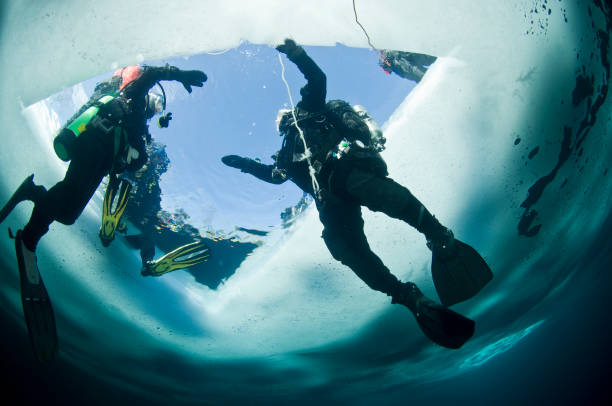
Class Schedule
Classes meet Monday through Friday for five hours a day: 7:30 am to 12:30 pm or 1:00 pm to 6:00 pm.

Core diving is the set of commercial fundamentals every working diver builds before taking on advanced underwater tasks. At The Ocean Corporation that means learning to breathe on surface-supplied equipment, control buoyancy, communicate with topside, and work calmly through a job on the bottom. Strong fundamentals are what let a diver focus on the task instead of fighting the water.
Commercial diving differs from recreational scuba. Where a recreational scuba diver uses a self-contained tank, most commercial work relies on surface-supplied equipment that delivers air and two-way communication from the surface. The Ocean Corporation teaches the full progression, starting with core diving skills in the pool and dive tanks before students move to open water dives and real job-site conditions. A student who arrives with no diving experience can earn diver certification and the foundation to enter the commercial diving workforce.
Core diving skills are the starting point of The Ocean Corporation’s 30-week Commercial Diver Certification program. Every student begins in our swimming pool and dive tanks before progressing to open water and job-ready operations.
Classes meet Monday through Friday for five hours a day: 7:30 am to 12:30 pm or 1:00 pm to 6:00 pm.
New classes begin every five weeks.
The difference between a struggling diver and a confident one comes down to the fundamentals. A diver who is comfortable on surface-supplied gear, handles an umbilical cleanly, and keeps clear communication with topside can manage depth, current, and low visibility without losing focus on the task. Poor fundamentals show up fast in the water, where small mistakes compound and a distracted diver becomes a safety risk to the whole dive team.
That is why every credible program spends time on core diving fundamentals long before advanced tasks. Understanding the physical realities of working under pressure is part of that foundation. A diver who starts with a strong grasp of the fundamentals is set up to grow into technical diving, inspection, and other specialized paths.

Divers learn to handle wire and rope, tie critical knots, splice lines, and rig loads for crane lifts. Students also train on rigging tools like block and tackle, which are part of nearly every commercial diving job.
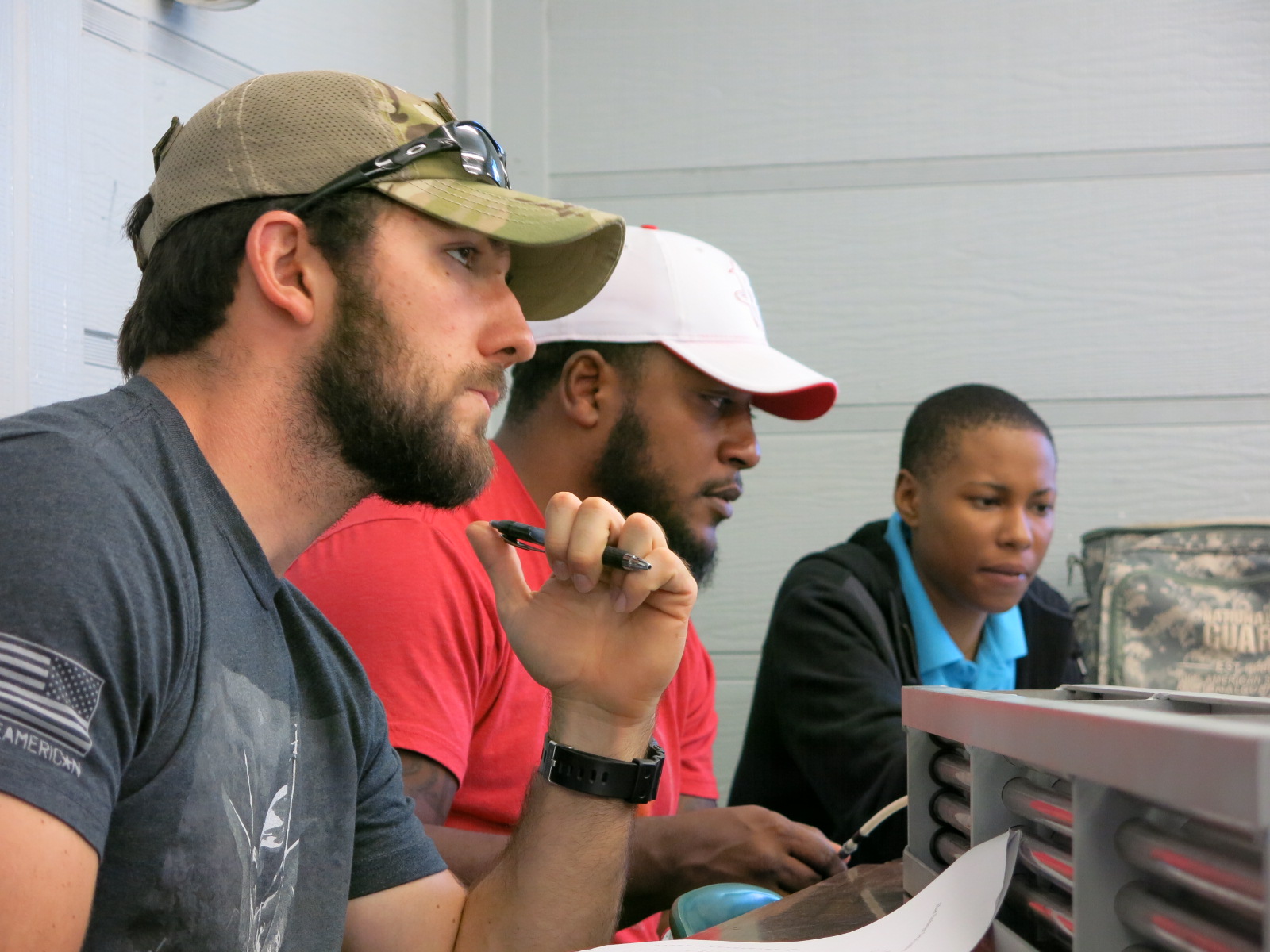
Students study dive physiology and the gas laws that govern how pressure affects the body, along with the preventive measures that keep divers ahead of pressure-related conditions.
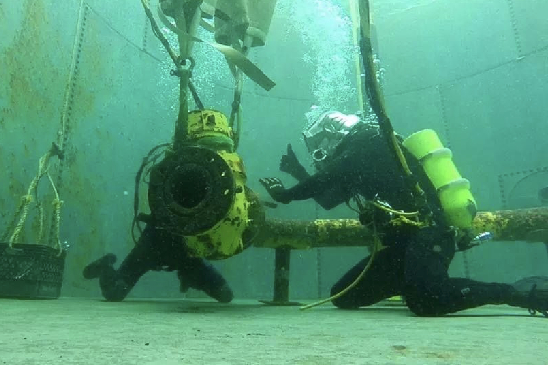
Training covers the U.S. Navy Standard Surface Air Decompression Tables and gives students hands-on time with decompression chambers, so students know the chamber well before they ever need it.
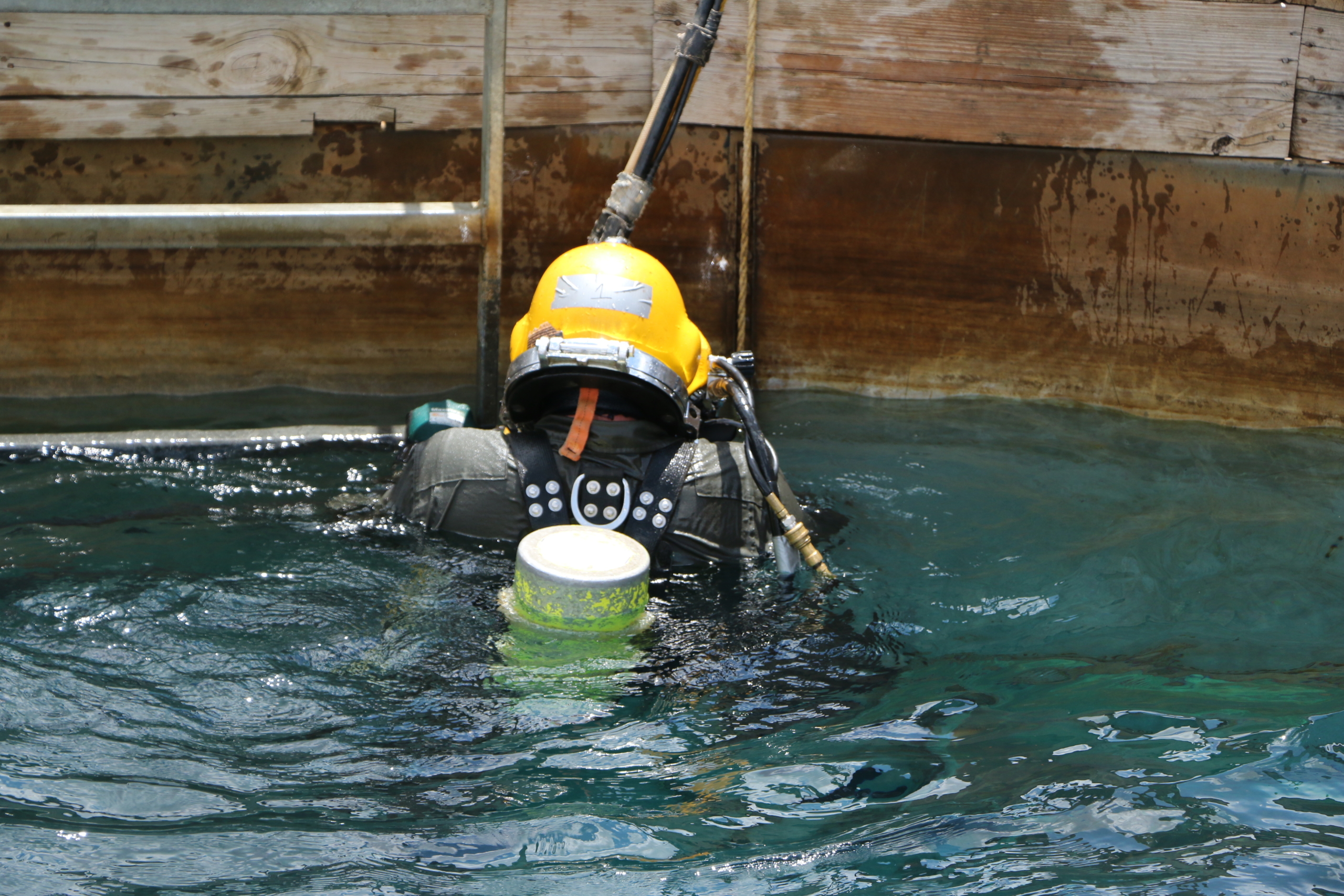
Students learn to operate the air supply systems and decompression chambers that keep a commercial dive running safely from the surface down.
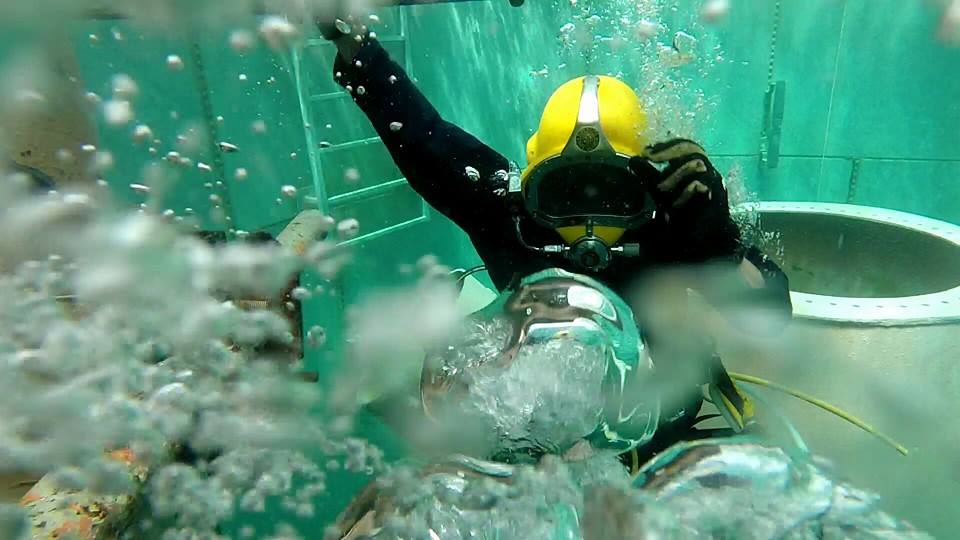
Divers maintain diving masks, helmets, and complete dive stations, keeping the dive gear that supplies air and communication working correctly.
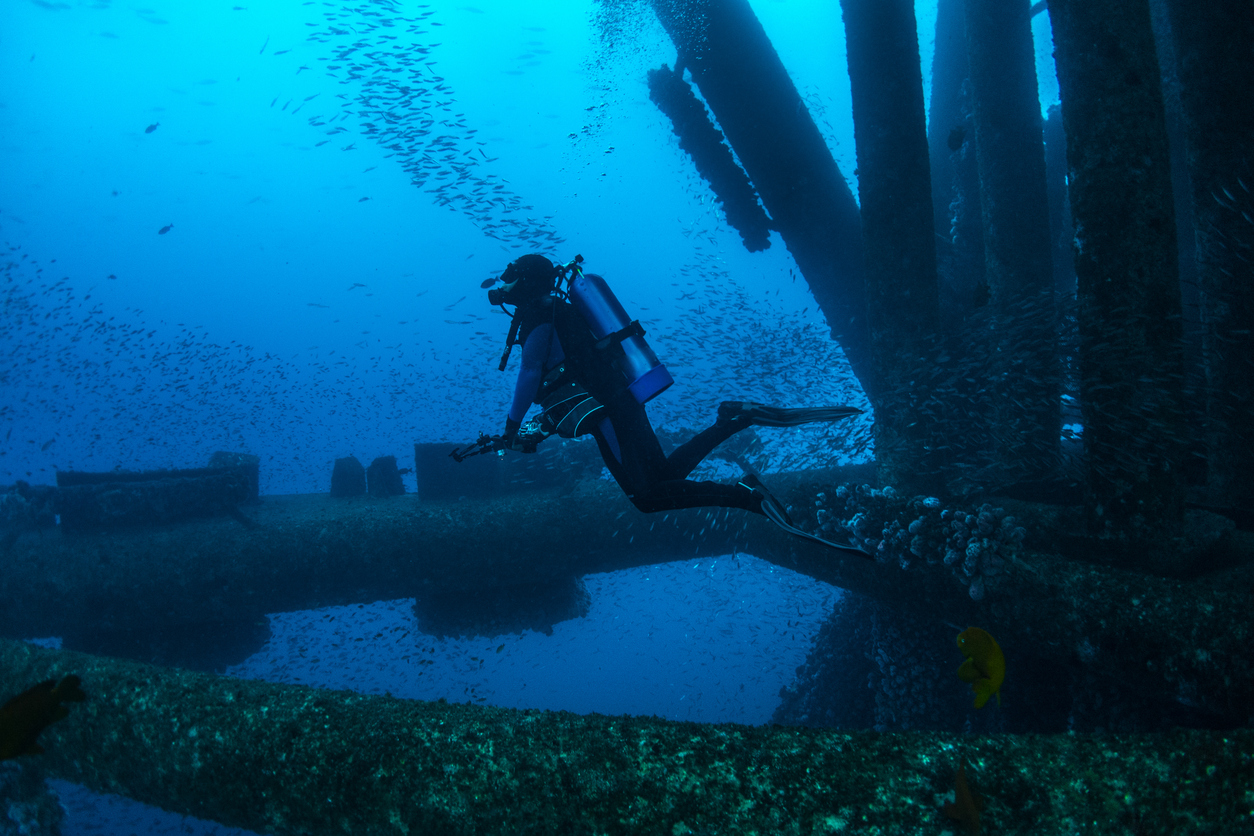
Students build the essential skills to maintain and troubleshoot the marine equipment that commercial diving operations depend on.

Training covers diver rescues, out-of-air situations, loss of communications, first aid, CPR, and emergency air systems, practiced until the correct response is automatic.
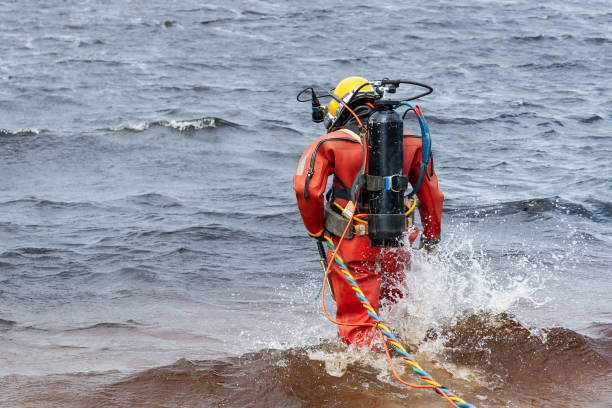
As a diver descends, water pressure increases and the body must balance it. A surface-supplied diver breathes gas delivered at the surrounding pressure, so the air-filled spaces that need attention are the ears and sinuses. Learning to equalize those spaces is one of the first lessons in any diving education.
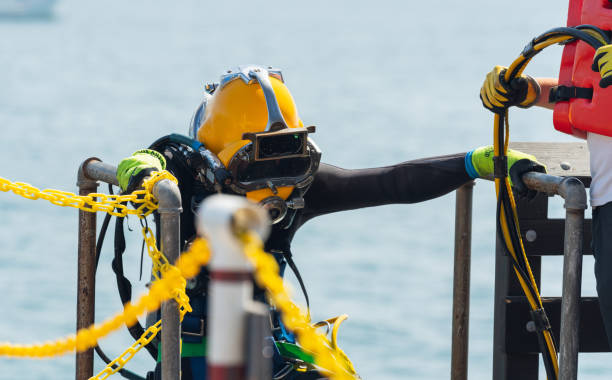
Breathing gas under pressure at depth can cause nitrogen narcosis, a temporary impairment of judgment and coordination. Divers learn to recognize the signs early and ascend to a safer depth.
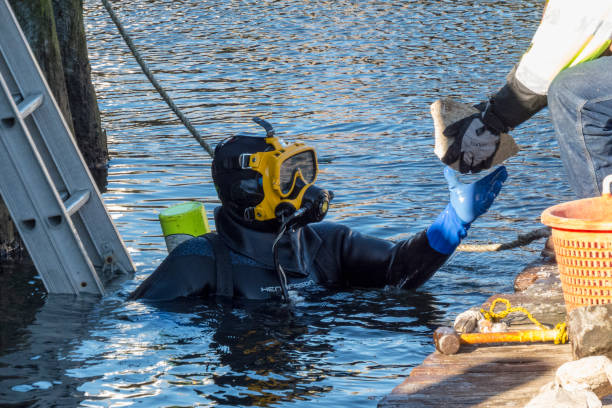
When a diver ascends without adequate decompression, dissolved gas can form bubbles in the body. Controlled ascent rates, dive planning, and an understanding of time and depth limits are how divers prevent it.
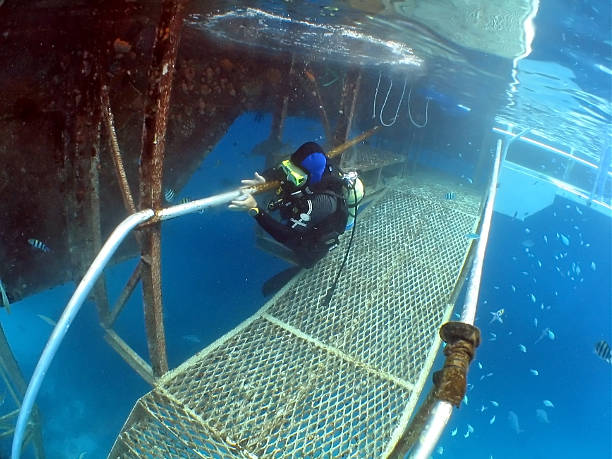
Water temperature drives equipment choices and dive planning. Proper exposure protection keeps a diver warm and focused in all water temperatures.
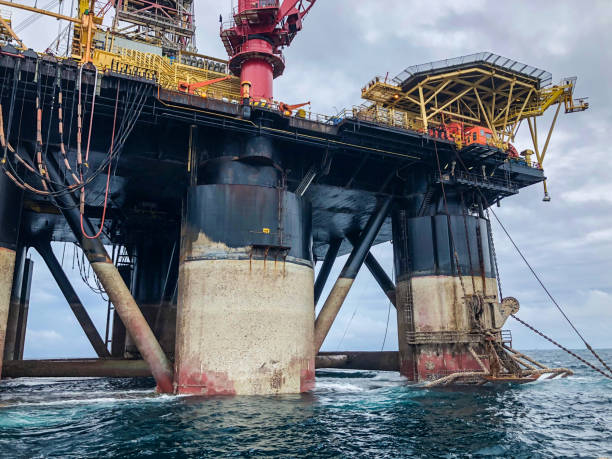
Divers support oil platforms, pipelines, and subsea structures, much of it in the Gulf of Mexico, where most U.S. offshore production happens. This is demanding work with strong regional demand for qualified divers.
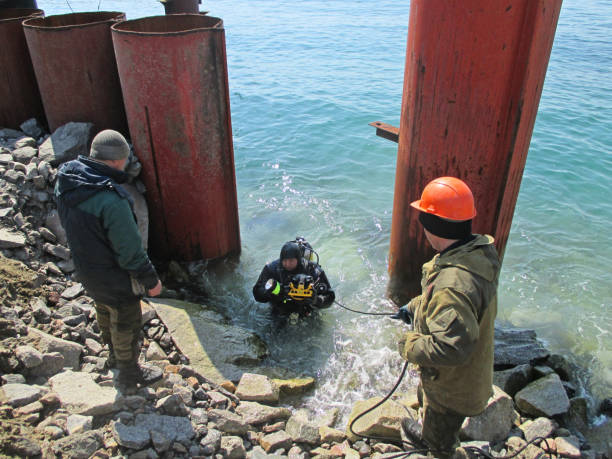
Bridges, dams, harbors, and navigation channels all need divers for inspection, repair, and construction support. Inland work runs from shore or a vessel and covers a wide range of tasks.
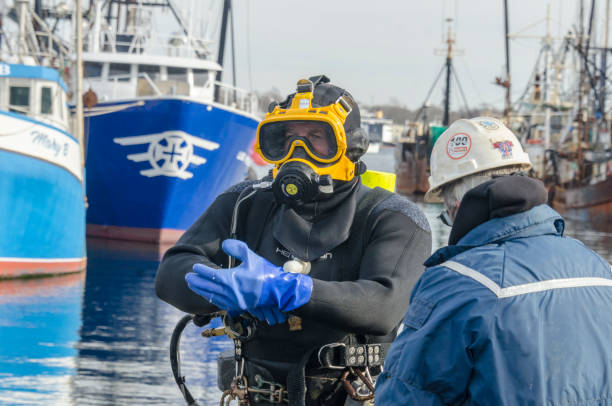
Water treatment plants, intakes, ports, and industrial sites rely on divers to maintain and inspect submerged equipment. This work tends to be steady and tied to ongoing maintenance programs.
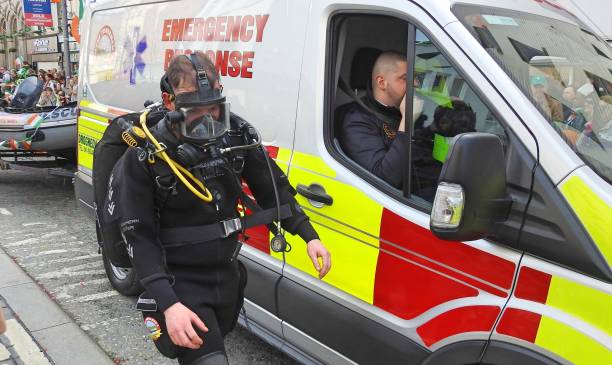
After a flood, a vessel impact, or another emergency, owners call trained divers to assess and repair critical structures. Fast, capable divers are a key part of getting infrastructure back in service.

The core diving skills learned in the first weeks of training follow a diver into every specialty that comes later, including inspection and technical diving. Strong basics are what let a graduate keep growing.
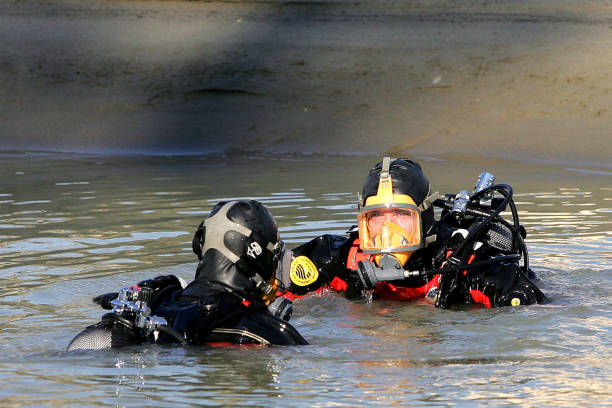
Training in the pool, dive tanks, and open water is built around real equipment and real conditions, including low-visibility work. A student practices core diving skills in settings that mirror the field, so the first day on a job is not the first day doing the work.
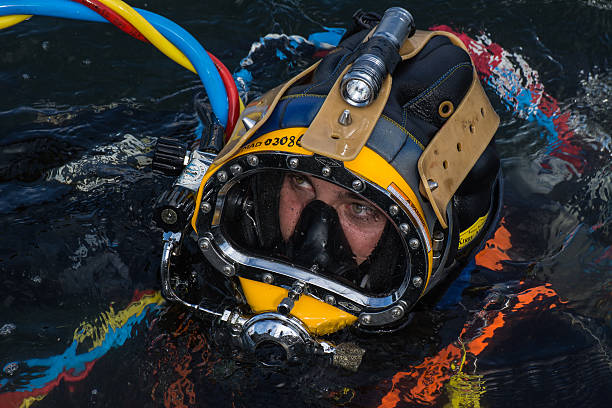
Georgetown University’s Center on Education and the Workforce (2022) ranks The Ocean Corporation 9th nationwide for 10-year earnings net present value and 107th for 40-year value among all post-secondary institutions in the United States.
Discover available grants, scholarships, loans, and flexible payment plans tailored to support your education.
Find step-by-step guidance on the application process, tools for estimating aid, and resources to answer any funding-related queries.
What is core diving?
Core diving is the set of commercial fundamentals every working diver builds first, including working on surface-supplied equipment, umbilical management, communication with topside, dive planning, and emergency procedures. These skills apply across commercial diving work, and they are the foundation everything else is built on.
Do I need scuba experience to enroll?
No. The Ocean Corporation’s 30-week Commercial Diver Certification program takes students with no diving experience and builds them into working divers. Training starts with core diving skills in the swimming pool and dive tanks, then moves to open-water dives. In our program, a complete beginner can earn diver certification.
What is the difference between scuba diving and commercial diving?
Recreational scuba diving is done for enjoyment. Commercial diving is professional work, usually performed with surface-supplied equipment that delivers air and communication from the surface, on tasks like inspection, welding, and construction. Some core diving skills overlap, but the equipment, procedures, and purpose differ.
What core skills will I learn?
Students learn to work on surface-supplied equipment, manage their umbilical, communicate with topside, carry out bailout and other emergency procedures, and plan dives within decompression limits. These skills are practiced in the pool and dive tanks until they become automatic, then applied in open water.
Can I keep working while I train?
Yes. Classes meet five hours a day, which leaves room for part-time work, and housing assistance is available. Many students work part-time around the class schedule.
Is commercial diving dangerous?
Commercial diving is demanding, physical work that requires discipline and respect for safety, and the training reflects that. Students spend weeks building fundamentals and emergency procedures precisely so they can manage the realities of the job with confidence. Training follows ADCI standards and includes emergency drills and emergency management planning, so divers practice the right response until it becomes automatic.
How long is training, and when can I start?
Core diving training is part of the 30-week Commercial Diver Certification program. Classes meet Monday through Friday for five hours a day, and new classes begin every five weeks. Enroll here.
How does The Ocean Corporation support job placement?
Lifetime career placement support is included for every graduate. Our career services team connects graduates with employers across the diving industry, helps with interview and resume preparation, and stays available throughout a graduate’s career.