
30 Weeks, Start to Finish
The Ocean Corporation’s NDT certification program lasts for 30 weeks.

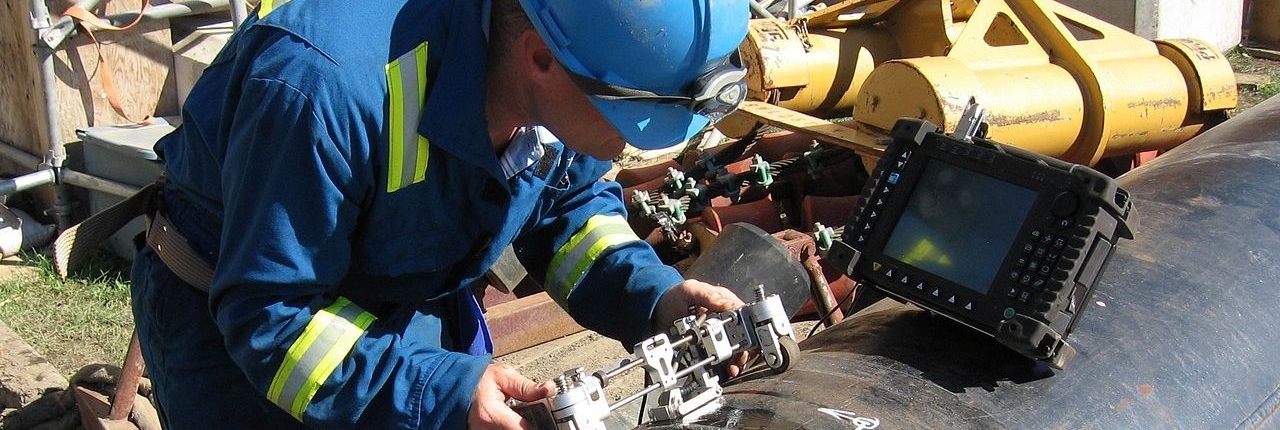
The Ocean Corporation prepares you for a career in one of the most in-demand fields in quality assurance and quality control. Nondestructive testing (NDT) uses specialized techniques like ultrasonic testing, radiographic testing, and magnetic particle testing to inspect materials and components without causing damage. This allows NDT professionals to detect flaws, verify material integrity, and confirm safety before equipment goes into service.
The Ocean Corporation’s NDT certification program lasts for 30 weeks.
Classes are held Monday through Friday for five hours a day either 7:30 am to 12:30 pm, 1:00 pm to 6:00 pm, or 6:00 pm to 11:00 pm.
You can do pretty much anything. You can work in any industry. You can work in any field. There’s inspections everywhere.
For sure, I wouldn’t be where I’m at if I didn’t come to Ocean Corp when I did. Where I’m at now, I’m truly six plus years ahead of where I would be.

Everything that I’ve learned and know and have gotten from the Ocean Corporation has been instrumental in my success. The teachers, the staff, the cadre, the upper echelon—they all are here willing to help.
It’s really changed my life. University and college wasn’t for me, and it’s not a thing for a lot of people. Ocean’s training completely turned my life around. I’ve been able to provide a great living for my wife, my son, and everything as a whole.

NDT plays a critical role across various industries, including aerospace, oil and gas, power generation, manufacturing, and infrastructure. From inspecting aircraft components to evaluating pipeline welds, NDT technicians protect lives and assets by identifying problems before they become failures. Our NDT training program equips you with the hands-on skills and technical knowledge to excel in this high-demand career. No prior experience is required to begin your journey as an NDT technician.

Learn techniques for direct observation and the use of optical tools to identify surface defects. Level I covers basic inspection methods, while Level II focuses on more complex assessments and interpretation.
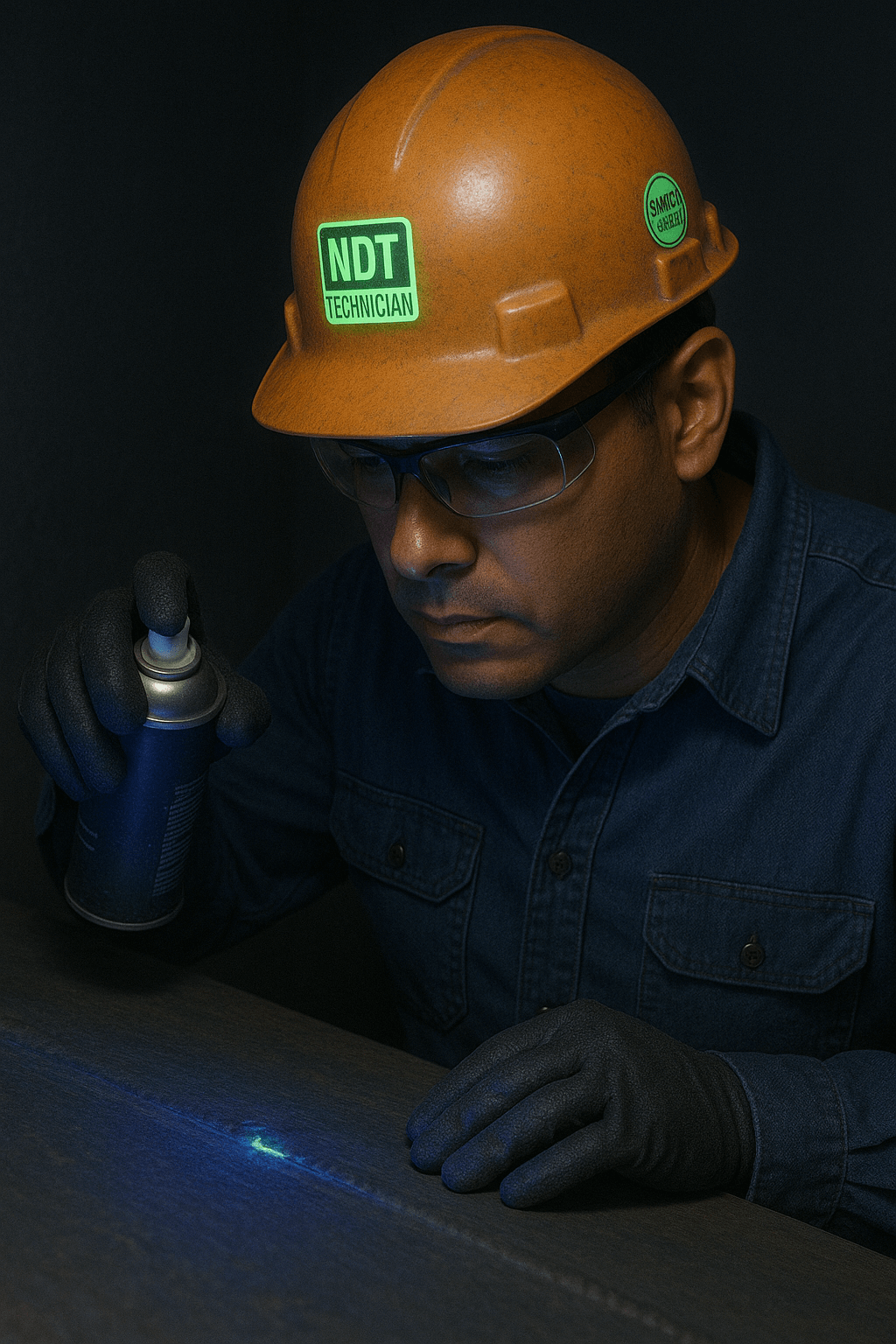
Master the application of liquid dye to reveal hidden surface flaws. Level I teaches the fundamentals of dye application and Level II covers detailed flaw characterization and evaluation.
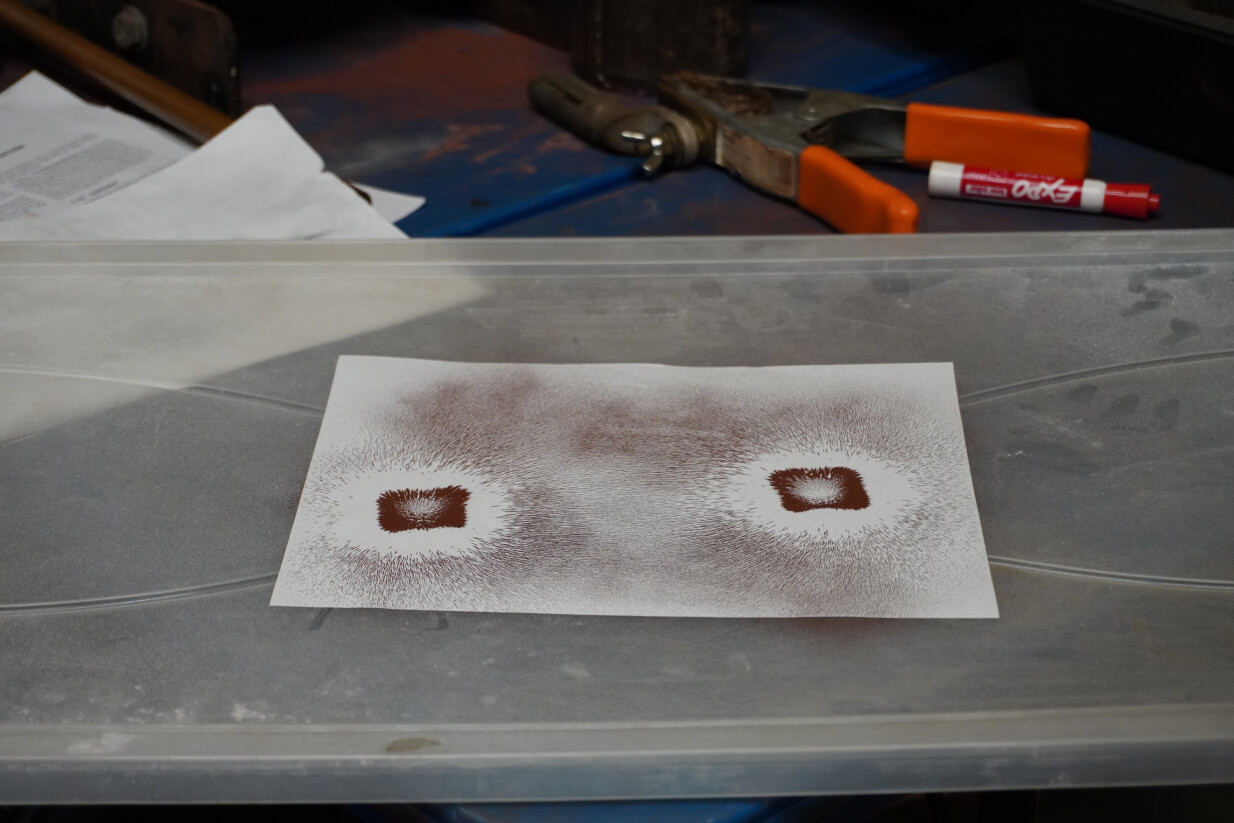
Gain skills in using magnetic fields and iron particles to detect surface and near-surface discontinuities. Level I covers basic technique application, while Level II focuses on interpreting and evaluating indications.

Learn to use sound waves for internal flaw detection. Level I focuses on basic scanning methods, and Level II covers advanced techniques including sizing, characterization, and specific calibrations.

Train in the safe use of X-ray and gamma-ray equipment to visualize internal structures. Level I covers basic operation and safety protocols, while Level II advances to complex interpretation of radiographic images.
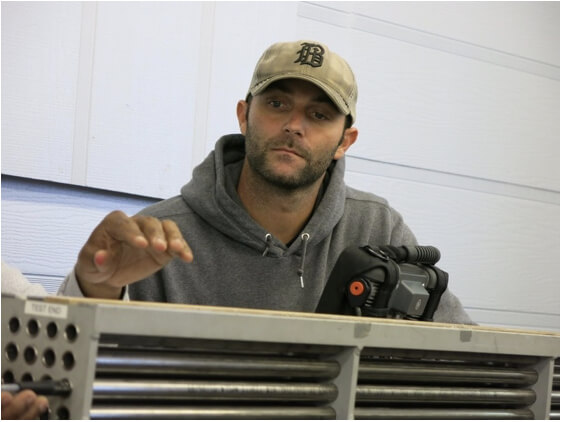
Learn to induce and analyze electrical currents to find surface and subsurface defects. Level I provides an introduction to the technique and its applications, while Level II offers in-depth knowledge on complex inspections.
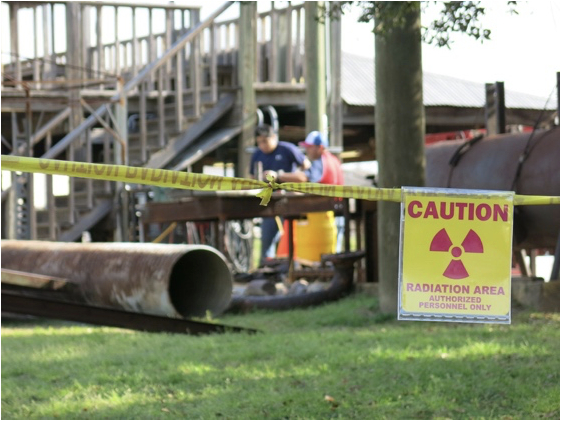
Required for radiographic testing, this training covers safe practices for handling ionizing radiation at both introductory and advanced levels. You will learn the regulatory requirements and practical protocols for working safely with radiographic equipment.

Training integrates drone and ROV technology for inspections in challenging or hazardous environments. You will gain familiarity with standard remote inspection equipment and learn sophisticated operational techniques for hard-to-reach locations.
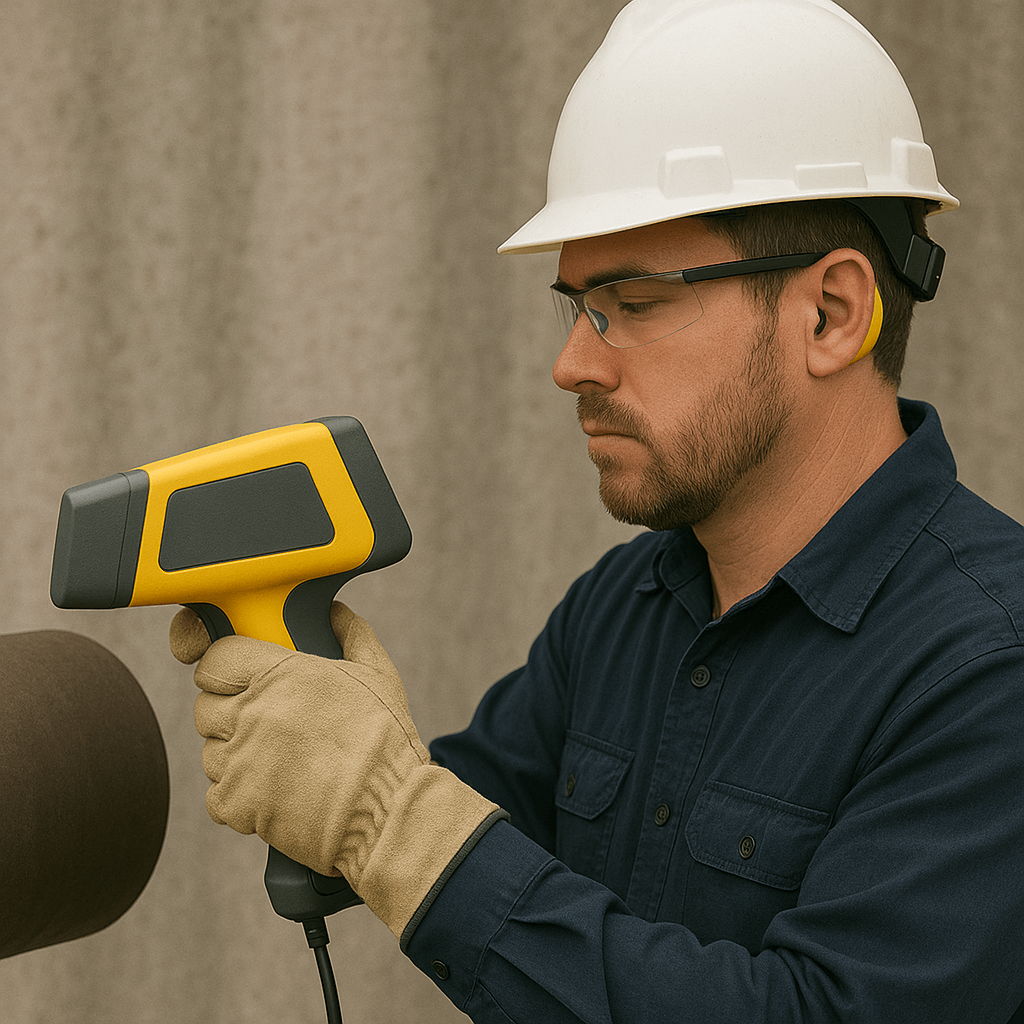
Learn this rapid NDT technique for confirming the chemical makeup of metals and alloys. PMI verifies that materials meet required specifications and standards before they are put into service.

Receive training in handling hazardous waste operations and emergency response. This prepares you for safety and environmental challenges you may encounter in the field, particularly in industrial and petrochemical settings.
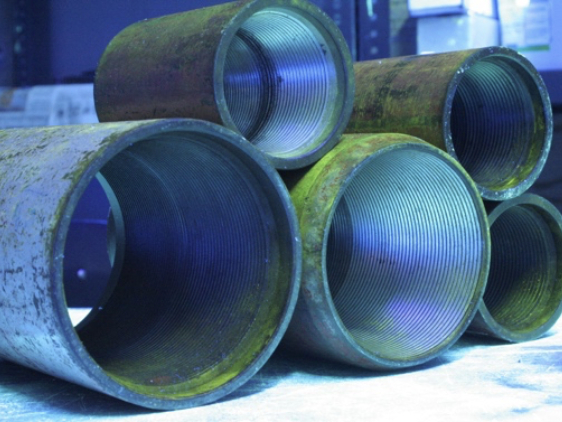
Study the fundamental aspects of material sciences, including the properties of common industrial materials and the discontinuities that can arise from different manufacturing processes. This knowledge helps you identify, interpret, and address potential issues during inspections.

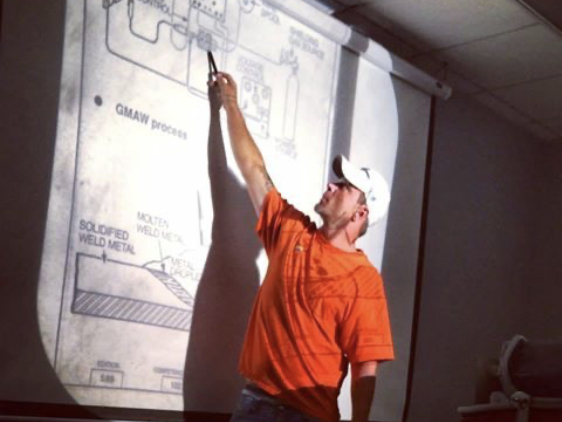
Learn welding processes and the failure profiles associated with methods like MIG, TIG, and stick welding. You will gain the ability to identify common welding defects such as porosity, cracks, and structural deformities.

Develop skills to produce accurate and clear inspection reports. This module emphasizes clarity, precision, and technical detail so you can document findings and communicate them effectively to stakeholders.

Learn to craft procedural documents that meet industry standards. Clear and accurate procedures support consistent operations and effective communication in NDT work.
Master how to read and apply isometric drawings for visualizing components and planning inspections. These skills help you accurately assess structures and prepare for detailed NDT tasks.
Enhance your ability to present yourself effectively during job interviews and improve your chances of success in a competitive job market.

Receive guidance on creating impactful resumes that highlight your skills and certifications for NDT employers.

Learn strategies for researching potential employers and job opportunities, giving you a competitive edge in your career search.
Discover available grants, scholarships, loans, and flexible payment plans tailored to support your education.
Find step-by-step guidance on the application process, tools for estimating aid, and resources to answer any funding-related queries.
What is nondestructive testing?
Nondestructive testing (NDT) refers to a range of inspection methods used to evaluate materials, components, and structures without causing damage. Common NDT methods include ultrasonic testing, radiographic testing, magnetic particle testing, liquid penetrant testing, visual testing, and eddy current testing. NDT plays a critical role in quality control and safety across various industries.
How long is the NDT certification program?
The NDT training program at The Ocean Corporation lasts 30 weeks, providing hands-on training and preparation for NDT Level I and Level II certification in six testing methods.
Do I need prior experience to enroll?
No prior NDT experience is required. Our program is designed for individuals new to the field, equipping you with all the necessary skills to start a career as an NDT technician.
What certifications will I earn?
Graduates receive training aligned with ASNT SNT-TC-1A standards for Level I and Level II certification in six NDT methods: Visual Testing (VT), Liquid Penetrant Testing (PT), Magnetic Particle Testing (MT), Ultrasonic Testing (UT), Radiographic Testing (RT), and Eddy Current Testing (ET).
What employment opportunities are available after completing the program?
NDT professionals are in demand across various industries, including aerospace, oil and gas, power generation, manufacturing, and infrastructure. Career opportunities include quality control inspector, NDT technician, and roles in specialized inspection for pipelines, refineries, aircraft, and more.
How does The Ocean Corporation support career placement?
We provide lifetime career services, including job search assistance, interview preparation, and connections to employers in the NDT and commercial diving industries. Our dedicated career services team supports graduates throughout their professional lives.