Course Starts
New classes begin every five (5) weeks.

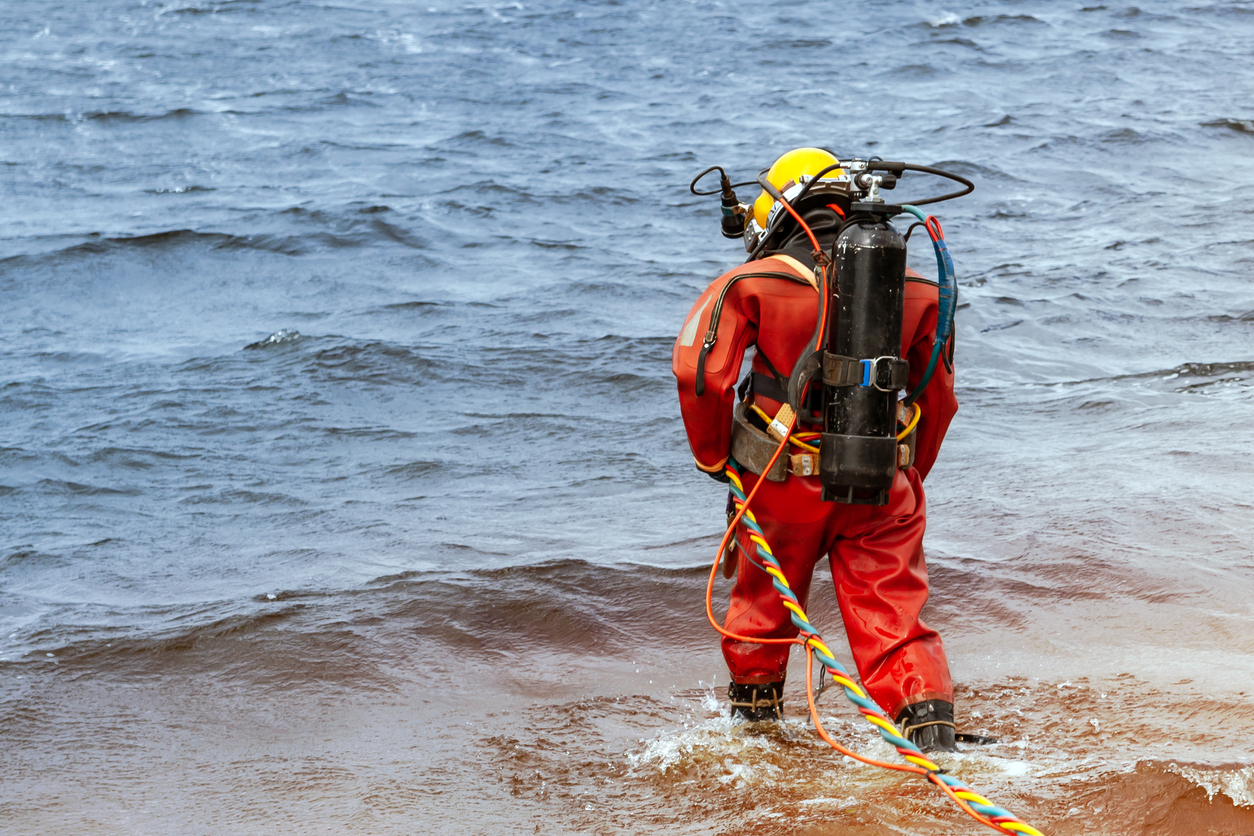
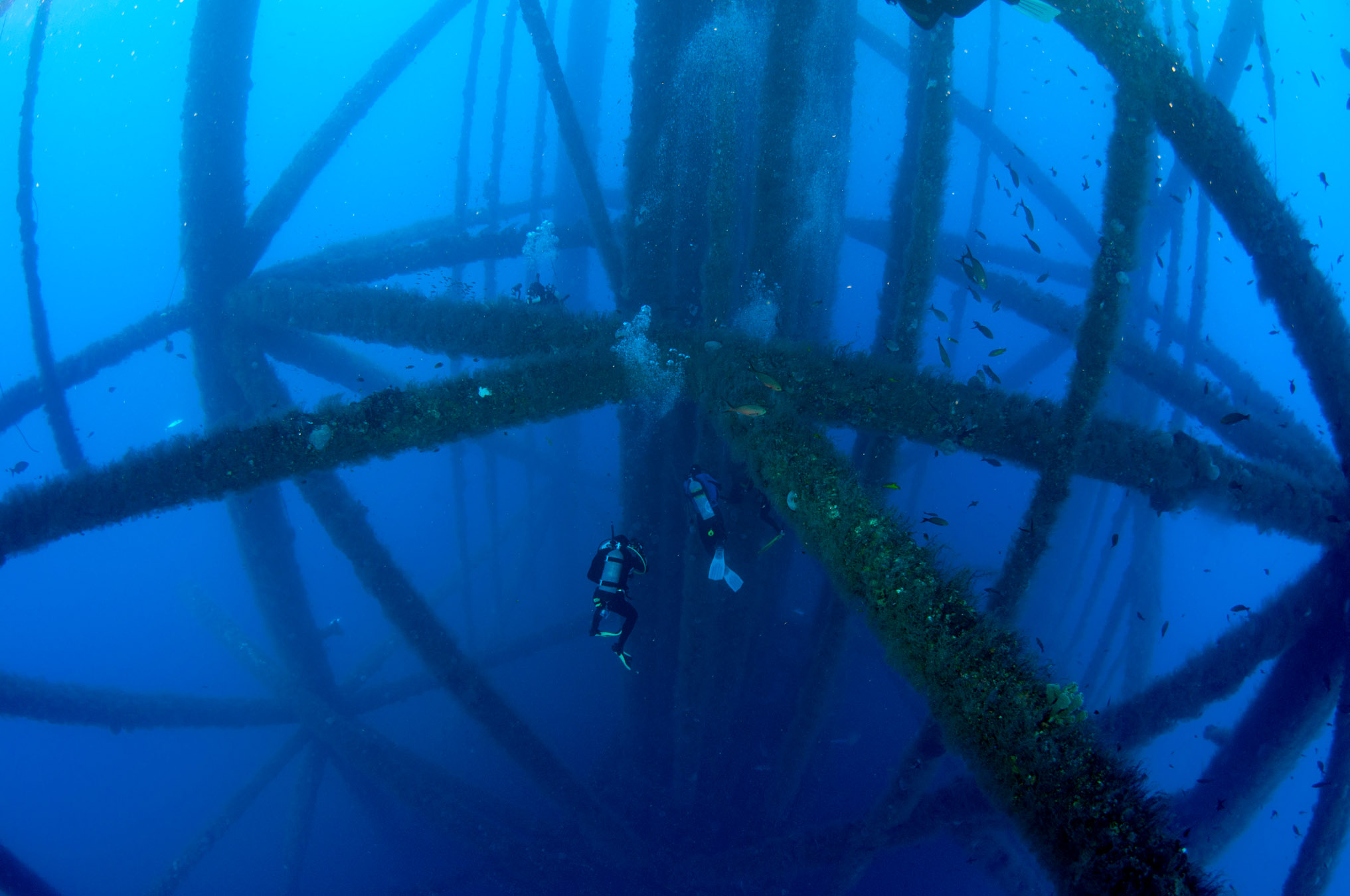
Underwater inspection is the work of examining the submerged parts of a structure to evaluate their condition and structural integrity. That means the piers, abutments, footings, pilings, and the substructure elements that sit below the waterline on bridges, dams, ports, offshore platforms, pipelines, and water treatment facilities. These components carry loads every day and never see daylight, so the only way to know their true condition is to send a trained person down to check them.
At The Ocean Corporation, underwater inspection training pairs commercial diving skills with hands-on nondestructive testing (NDT) in our NDT Lab. A diver learns to evaluate a submerged structure by sight and by feel, often in zero-visibility water where the entire inspection happens by touch. The work combines the discipline of a working diver with the precision of an inspection technician, and it produces the data that owners, engineers, and inspection teams rely on to make decisions about repair, load rating, and rehabilitation.
This is technical, methodical work. It rewards people who like solving problems with their hands and want a career where the result of their effort is public safety, not a line on a spreadsheet.
New classes begin every five (5) weeks.
Classes meet Monday through Friday for five hours a day, starting at 7:30 am or 1:00 pm depending on the cohort. (A 6:00 pm evening schedule is available for NDT-only students.)
Underwater inspection training is built into The Ocean Corporation’s 30-week Commercial Diver Certification program, with dedicated nondestructive testing instruction in our NDT Lab. The Lab gives students hands-on experience with underwater inspection techniques, so a graduate leaves having practiced the evaluation of submerged structures, not just read about it.
Coursework moves a student from classroom theory to pool sessions in our dive tanks, then out to open water dive operations. The inspection portion focuses on the NDT methods used to find defects you cannot see, the inspection process used to document them, and the equipment a working dive team depends on in the field.
The skills that I got here were invaluable to me when I got to work, either offshore, inland, or at NASA. I’m helping train folks that are going to be the first people to set foot on Mars. Getting that kind of excitement is great.

University and college wasn’t for me, and it’s not a thing for a lot of people. Knowing there’s trade programs that require skilled talent, they’re highly understaffed these days. It’s completely turned my life around, been able to travel the world, seen almost all 50 states, and really just provided a great living for my wife, my son, and everything as a whole.
The structures the public crosses every day depend on parts no one ever sees. The United States has more than 620,000 bridges on public roads, and roughly 45 percent of them are past their 50-year planned design life, according to the 2025 ASCE Infrastructure Report Card. The point where a bridge substructure meets the riverbed, below the waterline, is where many failures begin, because moving water pulls soil away from foundations over time. The only way to catch that early is to put a trained diver in the water.
Federal regulations require regular inspection of every highway bridge on the National Bridge Inventory, and underwater bridge elements run on their own inspection interval. Under the National Bridge Inspection Standards, routine inspections happen on a cycle of up to 24 months, and underwater inspections happen on a cycle of up to 60 months, with risk-based intervals reaching 72 months and shorter intervals for components in poor condition. Underwater elements in serious or worse condition get inspected at least every 24 months. Those intervals, measured in months and tracked across the country, are what keep the system honest, and they create steady, recurring demand for divers who can do the work.
This is why underwater inspection is one of the most consistent sources of inland diving work in the country. A bridge does not get inspected once and forgotten. It comes back around on a regular inspection schedule for as long as it carries traffic, and emergency response inspections follow any flood, vessel impact, or vehicle strike that could compromise the structure. The findings feed load rating decisions and rehabilitation planning, and they give owners the confidence to keep a structure open or the evidence to close it. The people who do this work are the reason the rest of us cross without thinking twice.
Hands-on in the Commercial Diver program
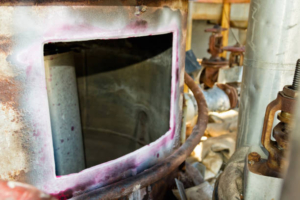
A magnetic field and iron particles reveal surface and near-surface cracks in steel components used in bridges, platforms, and other infrastructure. MT is a core underwater method and a primary focus of Level I and II training in the NDT Lab.
Taught in the NDT program
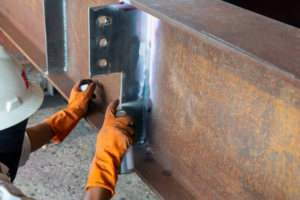
The first line of every inspection. Trained eyes catch cracks, section loss, spalling, coating failure, and displacement. Underwater, visual testing often becomes tactile testing, since a diver in zero-visibility water reads a surface by feel.
Taught in the NDT program
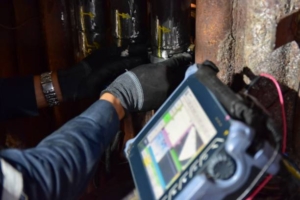
Liquid dye seeps into surface cracks on non-porous materials, making them visible on aluminum, stainless, and other non-ferromagnetic components where magnetic methods do not apply.
Taught in the NDT program
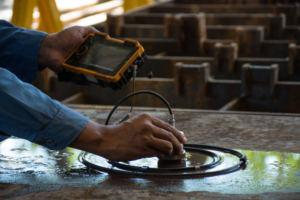
X-ray or gamma imaging shows internal weld quality and is used selectively under strict safety controls.
Taught in the NDT program
Electromagnetic induction detects surface and near-surface flaws and sorts material conditions, a valuable method across aerospace, energy, and infrastructure work.
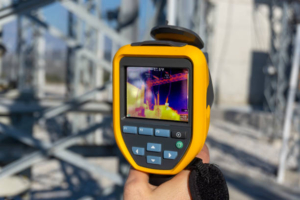
Taught in the NDT program
Heat patterns reveal subsurface defects, delamination, and moisture intrusion that the eye cannot detect.
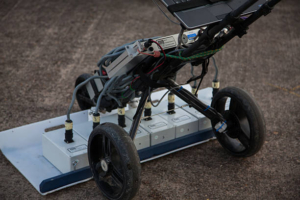
Taught in the NDT program
GPR reads rebar position, maps voids, and identifies delamination in decks and substructure, rounding out a modern inspection toolkit.

A visual and tactile examination of all accessible underwater components. A diver moves over the full structure to confirm its general condition and flag anything that needs closer attention. In zero-visibility water, this is done by feel.

A detailed inspection that requires extensive cleaning to remove marine growth on a representative sample of components, often around 10 percent, so the diver can look for section loss, undermining, and damage on the bare surface. Level II is where detailed measurements and NDT methods like MT and UT come into play.
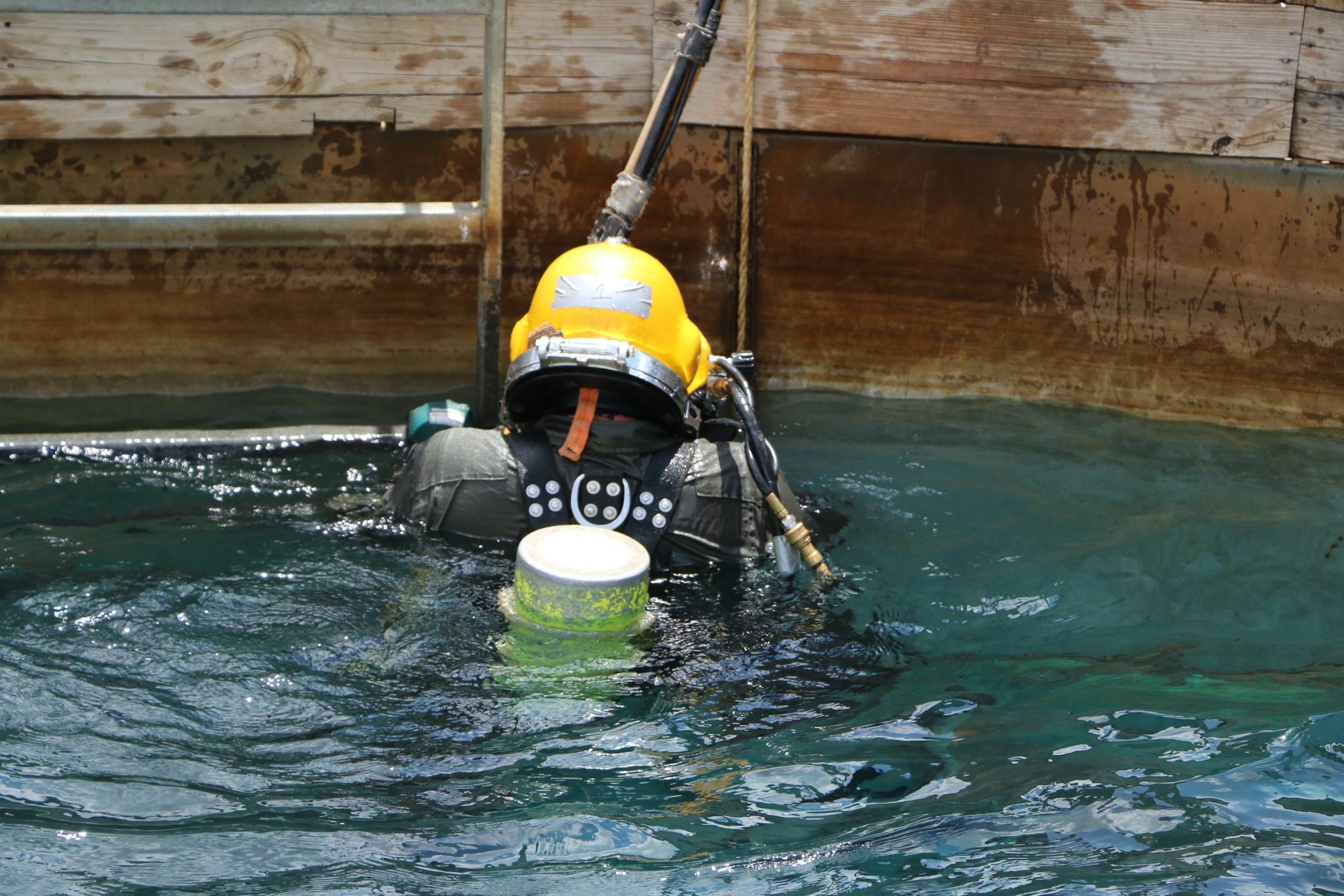
The most detailed inspection, used when a member’s integrity may be compromised. A Level III, or special underwater inspection, involves extensive cleaning, detailed measurements, and nondestructive or partially destructive testing, with techniques ranging from sample coring to ultrasonics. This is the level that confirms whether a critical component can stay in service.

A bridge inspection team checks piers, abutments, footings, and other substructure elements on a regular inspection cycle tied to the National Bridge Inventory. Bridge inspection is the most consistent source of inland underwater work in the country.

Locks, dams, seawalls, bulkheads, and pier structures all carry submerged components that need regular evaluation. This work keeps shipping channels and flood control systems safe and operational.

Platforms, risers, and subsea structures require ongoing inspection to confirm integrity in a demanding environment. The Gulf Coast industrial corridor, where most U.S. offshore production happens, creates strong regional demand for inspection-qualified divers.
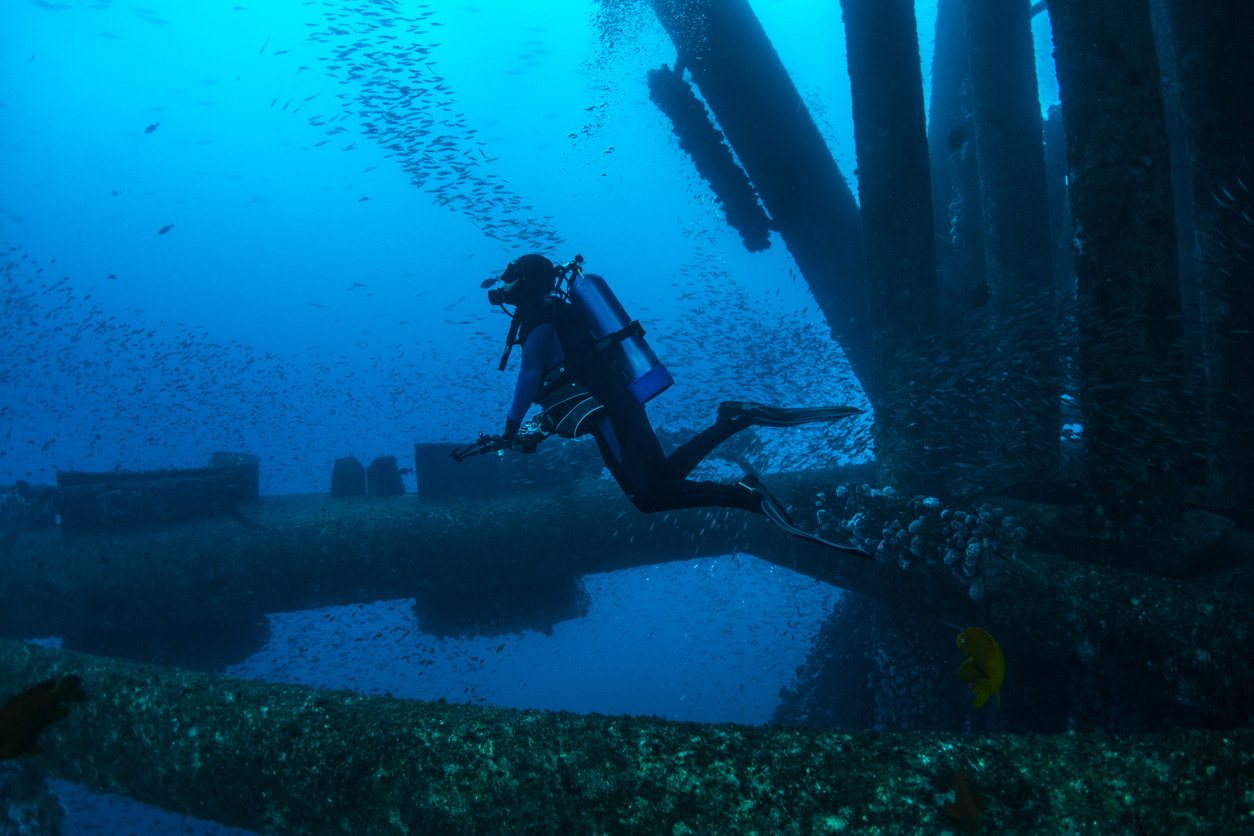
Submerged pipelines, intakes, and process structures at industrial and water treatment sites need routine inspection and condition monitoring, often as part of a maintenance program a facility runs year after year.
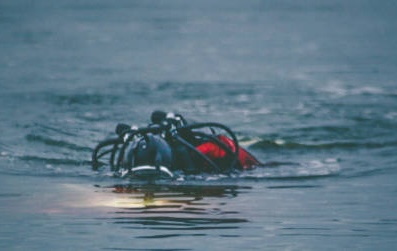
After a flood, an impact, or another emergency situation, owners call for immediate inspection to determine whether a structure is safe. Inspection-qualified divers are part of the emergency response that gets infrastructure evaluated and back in service.
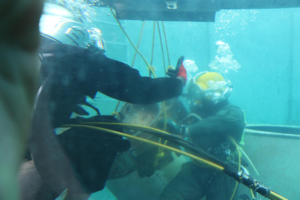
Underwater inspection sits at the intersection of two trades. A graduate carries both commercial diving skills and NDT method training, which is a combination many employers struggle to find. That breadth is what lets a diver move between bridges, offshore work, and industrial inspection over a career.
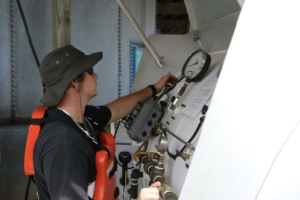
Infrastructure does not get inspected once. Federal inspection intervals bring structures back around on a regular schedule, year after year, which makes inspection one of the most dependable categories of inland diving work.
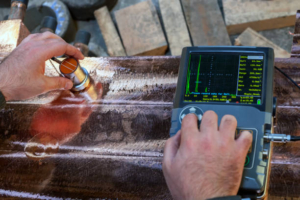
Training in the NDT facility and dive tanks is built around real equipment and real inspection tasks. Students practice the evaluation of submerged structures in conditions that mirror the field, including zero-visibility work, so the first day on a job site is not the first day doing the work.
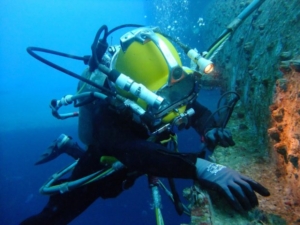
A 2022 Georgetown University study ranked The Ocean Corporation 9th nationwide for 10-year earnings net present value and 107th for 40-year value among all post-secondary institutions in the United States. (Read the Georgetown Study.)
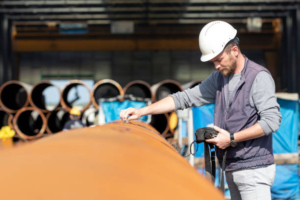
Inspection graduates receive career placement support for life, free refresher courses, and continuing education discounts. The network of more than 15,000 alumni is a working career asset, and many graduates find themselves working with or under other Ocean Corp alumni.
Ranked Commercial Dive School in the Nation
Ranked by Georgetown University for graduate earnings and return on investment, The Ocean Corporation leads all U.S. diving schools.
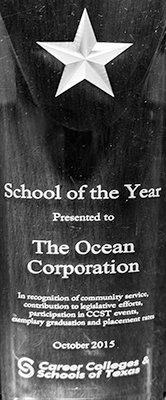
CCST School
of the Year
Recognized by the Career Colleges and Schools of Texas for outstanding educational outcomes, job placement, and student experience.
CCST Innovator
of the Year
Honored for pioneering advances in career training, including new technologies, curriculum innovation, and instructional design.

Ranked for ROI
among all US Colleges
In a nationwide Georgetown University study of over 4,500 institutions, Ocean Corp ranked #9 in return on investment.
Take the first step toward a better future.
Discover available grants, scholarships, loans, and flexible payment plans tailored to support your education.
Find step-by-step guidance on the application process, tools for estimating aid, and resources to answer any funding-related queries.
What is underwater inspection?
Underwater inspection is the examination of the submerged parts of a structure, such as the piers, footings, and substructure elements of a bridge, to evaluate their condition and structural integrity. A certified diver checks the structure by sight and by feel, applies NDT methods to find defects, and documents the findings so engineers and owners can make decisions about repair, load rating, and rehabilitation.
What does an underwater inspection diver do?
An underwater inspection diver examines submerged structures, performs cleaning so components can be evaluated, runs nondestructive testing such as magnetic particle and ultrasonic inspection, takes detailed measurements, and records the data for the inspection report. Much of this work happens in low-visibility or zero-visibility water, where the diver relies on touch and clear communication with the dive team on the surface.
Do I need to be a commercial diver to do underwater inspection?
For in-water work, yes. Underwater inspection combines commercial diving skills with NDT inspection skills. The Ocean Corporation’s 30-week Commercial Diver Certification program builds both, taking a student from no diving background to a working diver with hands-on inspection training in our NDT Lab. No prior diving experience is required to enroll.
What NDT methods are used in underwater inspection?
The most common underwater methods are visual testing (which becomes tactile in zero-visibility water), magnetic particle testing, and ultrasonic testing. Penetrant, radiographic, eddy current, infrared thermography, and ground-penetrating radar round out the broader NDT toolkit. Commercial diving students train hands-on in MT and UT, the two primary underwater contact methods; The Ocean Corporation’s NDT program covers the full set.
How often are underwater bridge elements inspected?
Under the National Bridge Inspection Standards, routine inspections run on a cycle of up to 24 months and underwater inspections run on a cycle of up to 60 months, with risk-based intervals reaching 72 months for some structures. Underwater components in serious or worse condition are inspected at least every 24 months. These recurring intervals are a major reason underwater inspection work is in steady demand.
Are underwater drones replacing divers?
No. An underwater drone, or ROV, is a useful tool for covering large or deep areas and streaming real-time video, and it is now a regular part of the inspection process. But Level II and Level III work still requires a diver’s hands on the structure for cleaning, contact NDT, and detailed measurements. Drones extend what a dive team can do; they do not replace the diver.
What equipment is used in underwater inspection?
Professional underwater inspection usually relies on surface-supplied diving equipment rather than scuba, with helmet systems that deliver air and two-way communication so a diver can describe findings to the surface team in real time. For the inspection itself, a diver carries NDT field equipment such as ultrasonic thickness gauges and magnetic particle tools, along with the instruments used to record detailed measurements and inspection data. At The Ocean Corporation, students train with the diving equipment and NDT instruments used on real inspection work.
How is underwater inspection data collected and recorded?
During an inspection, a diver records condition findings, takes measurements, and reports them to the surface team, often in real time over helmet communications. Those findings become the data collection that goes into the inspection report. On larger projects, inspection services may pair diver findings with sonar or photogrammetry to build a 3-dimensional model of the structure, giving engineers and clients a shared, measurable record they can compare from one inspection interval to the next.
What is a Level II underwater inspection?
A Level II underwater inspection is a detailed examination that requires extensive cleaning to remove marine growth on a representative sample of components, so the diver can inspect the bare surface for section loss, undermining, and damage. Level II is where measurement tools and NDT methods are applied. A Level III, or special underwater inspection, goes further with extensive cleaning and nondestructive or partially destructive testing when a component’s integrity may be compromised.
How long does the training take, and when can I start?
Underwater inspection training is part of the 30-week Commercial Diver Certification program. Classes meet five hours a day, Monday through Friday, and new classes begin every five weeks.
How does The Ocean Corporation support job placement?
Lifetime career placement support is included for every graduate. Our career services team connects graduates with employers across the diving and inspection industries, supports interview and resume preparation, and stays available throughout the full length of a graduate’s career.