Class Schedule
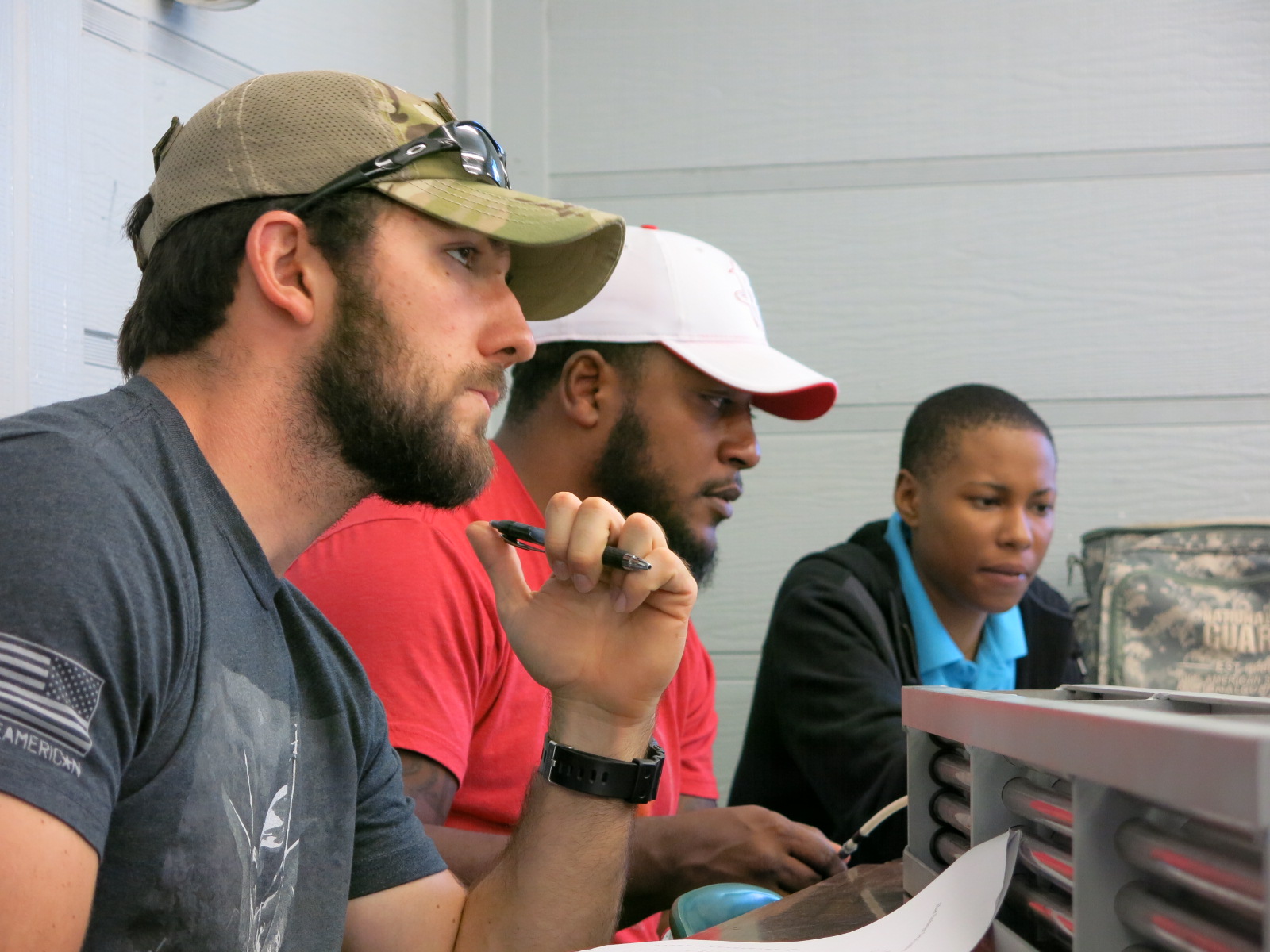
Classes meet Monday through Friday for five hours a day: 7:30 am to 12:30 pm, or 1:00 pm to 6:00 pm.

Career development is the part of training that turns a newly certified commercial diver into a hired one. It covers the practical steps between earning a diver certification and starting work: how to find commercial diving jobs, how to write a resume that reads to a dive supervisor, and how to handle an interview with a diving contractor. At The Ocean Corporation, this work runs alongside the diving and underwater welding instruction in our Commercial Diver Certification program, so a graduate leaves understanding both the trade and the job market that hires for it. The commercial diving industry runs on reputation and referral, and career development teaches a student how to enter that world and build a place in it. It is the difference between holding a certification and holding a job offer.
The component pairs job search strategy with an industry overview, so a graduate knows where the work is and who does the hiring. Students learn how industry bodies like the Association of Diving Contractors International (ADCI) and the International Marine Contractors Association (IMCA) set the standards for the diving operations they will join, and how those frameworks affect job opportunities across inland and offshore work. Knowing the industry is part of knowing how to get hired in it.
This is direct, practical preparation, not a motivational seminar. It rewards students who want a clear path from the dive tank to a paycheck, with the job search skills and industry knowledge that get a certified commercial diver to work.
Career development is built into The Ocean Corporation’s 30-week Commercial Diver Certification program, woven through the months a student spends moving from classroom theory to diving operations in our tanks and open water. By the time a graduate is ready to test, the job search work is already underway: resume drafted, interview practiced, and a working picture of the diving industry in place. A student leaves prepared to apply, not just to dive.
The work covers job search strategy, resume writing, and interview technique, alongside an industry overview that maps the commercial diving sector and its employers. Students learn to read a posting from a diving contractor, present their training and diver certification, and step into the hiring process for inland, offshore, and specialized diving jobs. The aim is a graduate who can find and land the first job, then build from it.
Classes meet Monday through Friday for five hours a day: 7:30 am to 12:30 pm, or 1:00 pm to 6:00 pm.
New classes begin every five weeks.
The market for commercial diving jobs is tied to infrastructure and energy the country cannot do without. The Bureau of Labor Statistics reports a median annual wage of $72,990 for commercial divers as of May 2025, and a mean of $88,320. The range is wide: the lowest 10 percent earn under $43,330, and the top 10 percent earn more than $157,790. Part of that spread comes from how BLS defines the job. The occupation code counts anyone who dives for pay, on scuba or surface-supplied air, including divers at aquariums, museums, and amusement parks, roles that typically do not require ADCI commercial diver certification. BLS projects employment for commercial divers to grow 4.8 percent from 2025 to 2035, faster than the 3.5 percent projected for all occupations. (See our full commercial diver wage breakdown.)
Geography concentrates the demand. Federal offshore wells in the Gulf of Mexico produce about 14 percent of all U.S. crude oil, nearly all of the country’s offshore output, and the platform and pipeline infrastructure there creates steady regional work for offshore divers, much of it run out of Louisiana. . The Ocean Corporation sits in Houston, inside that Gulf Coast industrial corridor, so students train within reach of the employers who hire. Inland, the work follows bridges, dams, ports, water systems, and industrial facilities across the United States, which keeps inland divers busy far from any coast.
Commercial diving also rewards specialization, and that breadth is part of what makes the career stable. A diver can move from marine construction into underwater welding, saturation diving, salvage operations, or public safety and scientific work as interests and pay opportunities shift. Salvage and emergency jobs in particular often come up on short notice, while inspection and construction work runs on predictable, recurring schedules. In 2022, the Georgetown University Center on Education and the Workforce ranked The Ocean Corporation 9th nationwide for 10-year return on investment and 107th for 40-year return among more than 4,500 U.S. institutions.
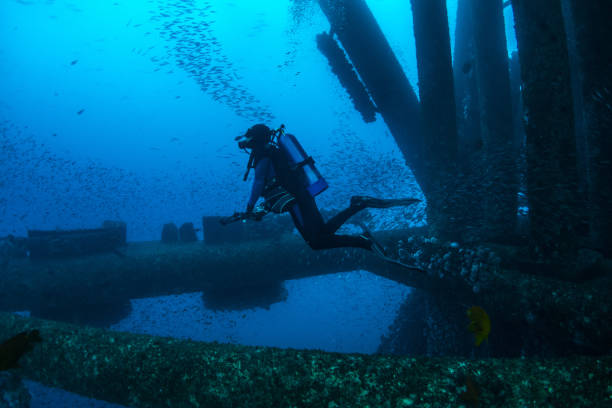
Offshore divers work on oil rigs, platforms, risers, and subsea structures, often far from shore on rotation. The work is physically demanding and pays accordingly, and the Gulf of Mexico is one of the busiest markets in the country.
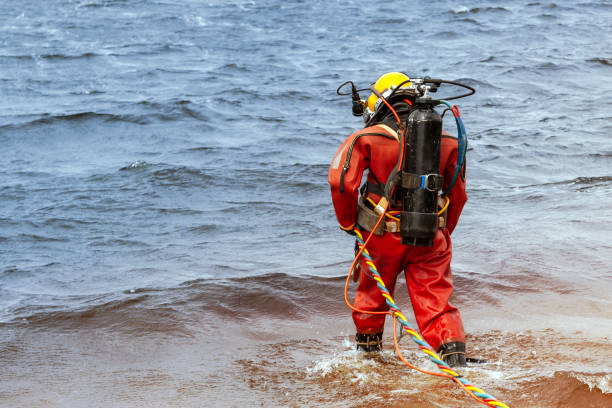
Inland divers work on bridges, dams, locks, water treatment plants, and industrial sites across the country. The work is steady and recurring, tied to infrastructure that needs regular maintenance and inspection.
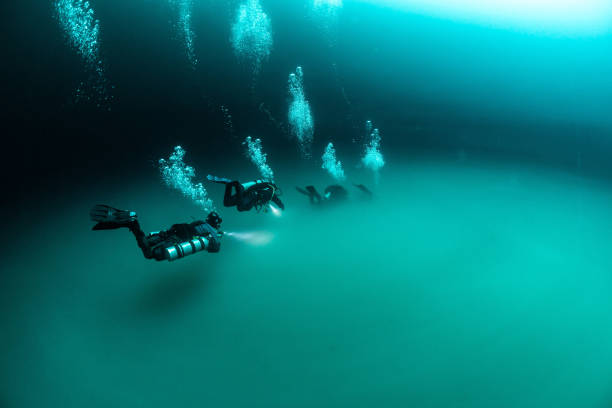
Saturation diving sends divers to the greatest depths for extended projects, living under pressure in a chamber system for days at a time. It is among the highest-paid work in the field and a goal many divers train toward.
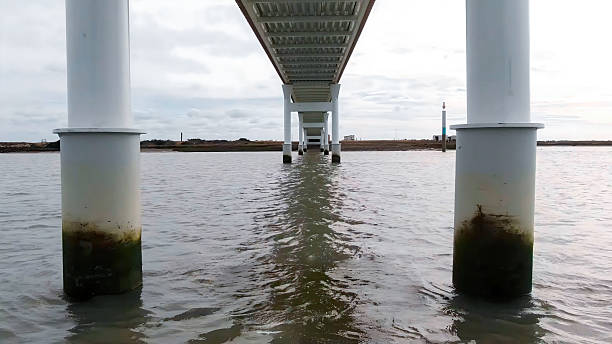
Underwater welding combines diving with welding to repair and build underwater structures on platforms, pipelines, and marine construction projects. An underwater welder carries two trades in one and is in demand on platforms, pipelines, and marine construction sites alike.
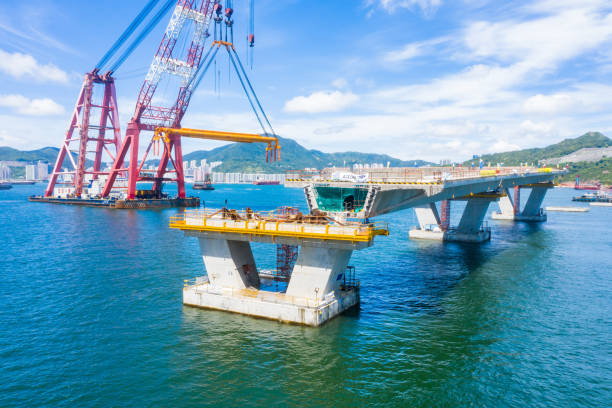
Marine construction divers build and maintain piers, docks, bulkheads, and other underwater structures, running hand tools and rigging in low-visibility water. This is foundational commercial diving work with broad employer demand.
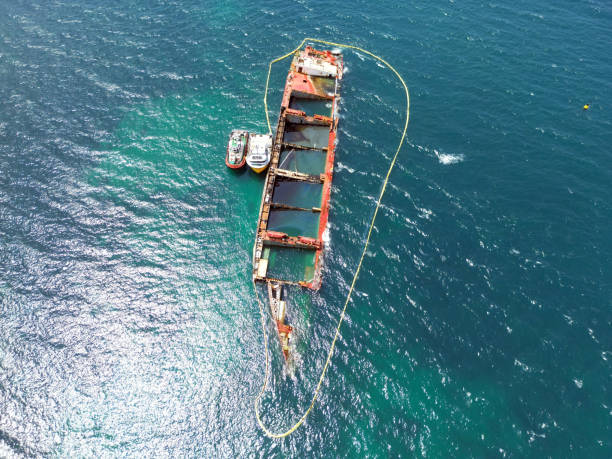
Salvage divers recover sunken vessels, equipment, and cargo, responding to a salvage operation that can come up on short notice after a storm or an accident. The work is varied and rarely the same twice.
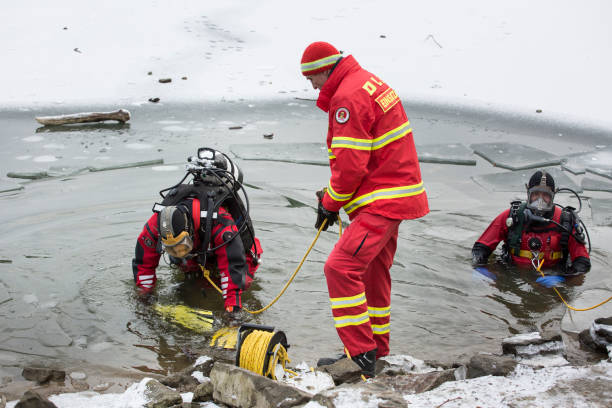
A public safety diver works with law enforcement and fire agencies on recovery, evidence, and rescue support in lakes, rivers, and reservoirs. It is service-oriented diving, and a common path for veterans entering the trade..
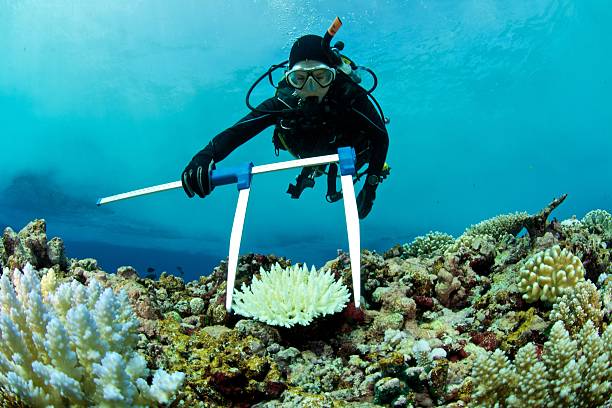
Research divers support marine science, conservation, and survey work for universities and agencies. Scientific diving programs typically carry their own training requirements, but a commercial diver’s rigging, tool, and surface-supplied skills transfer directly to the survey and infrastructure side of that work.
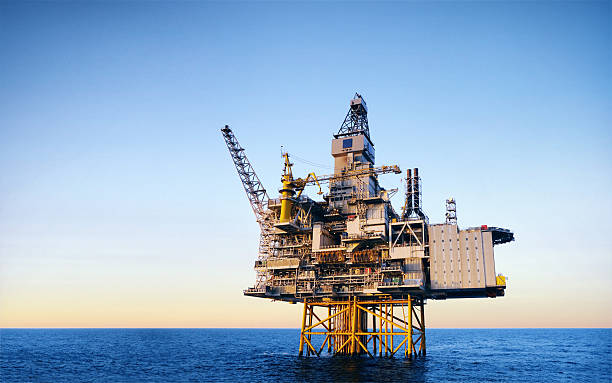
Platforms, pipelines, and subsea infrastructure in the Gulf of Mexico and beyond need divers for construction, maintenance, and inspection. This sector drives much of the highest-paying offshore work.
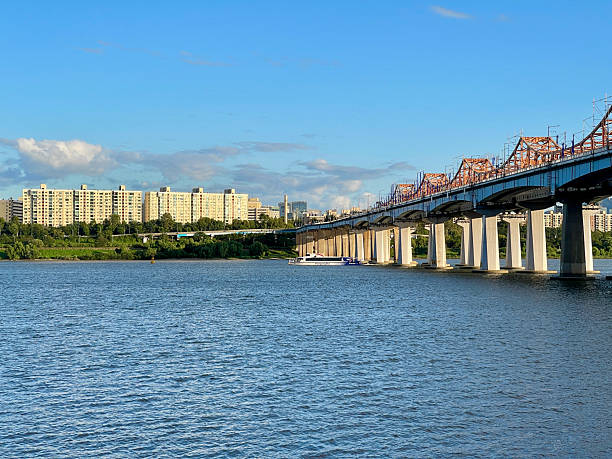
Bridges, dams, ports, and water systems carry submerged components that need regular work, creating dependable demand for inland divers nationwide, including potable water and water tank diving at treatment facilities.
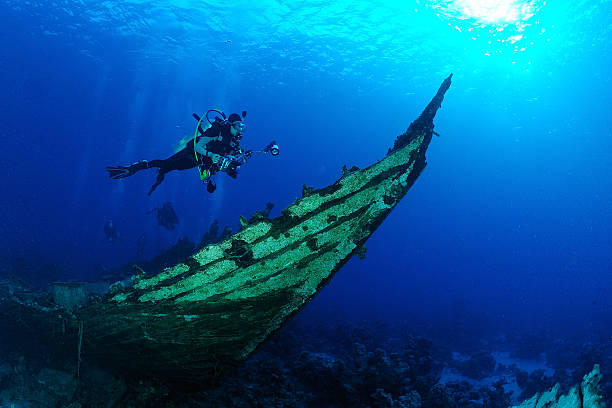
Construction firms and salvage operators hire divers to build underwater structures and recover sunken vessels and equipment, often on project-based and emergency work.
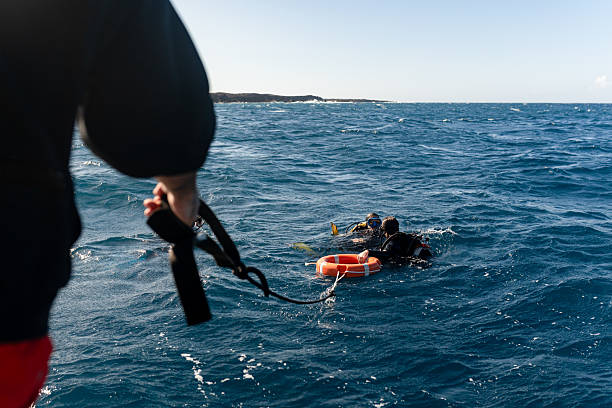
Federal, state, and local agencies employ divers for public safety, inspection, and support roles, and a public safety diver often works alongside law enforcement.
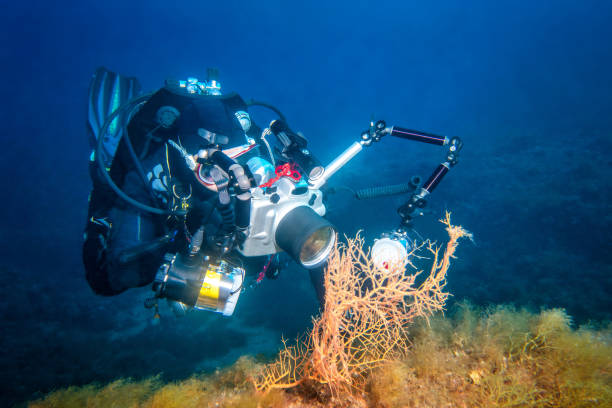
Universities, agencies, and groups like NOAA hire research divers for scientific research, survey work, and marine conservation in underwater environments.
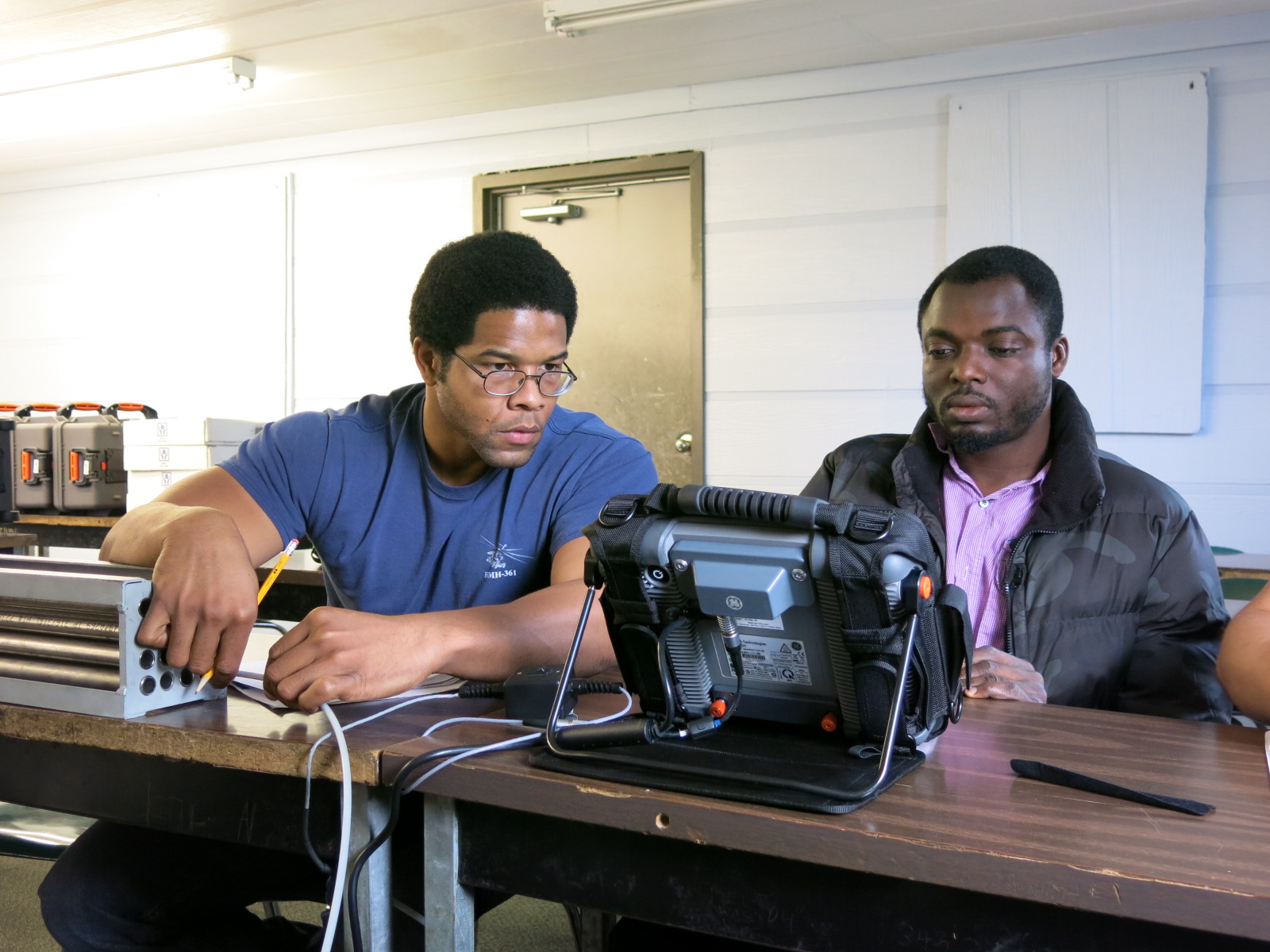
Every graduate receives career placement support for life, not just for the first job. The career services team connects divers with employers and stays available across a full career.
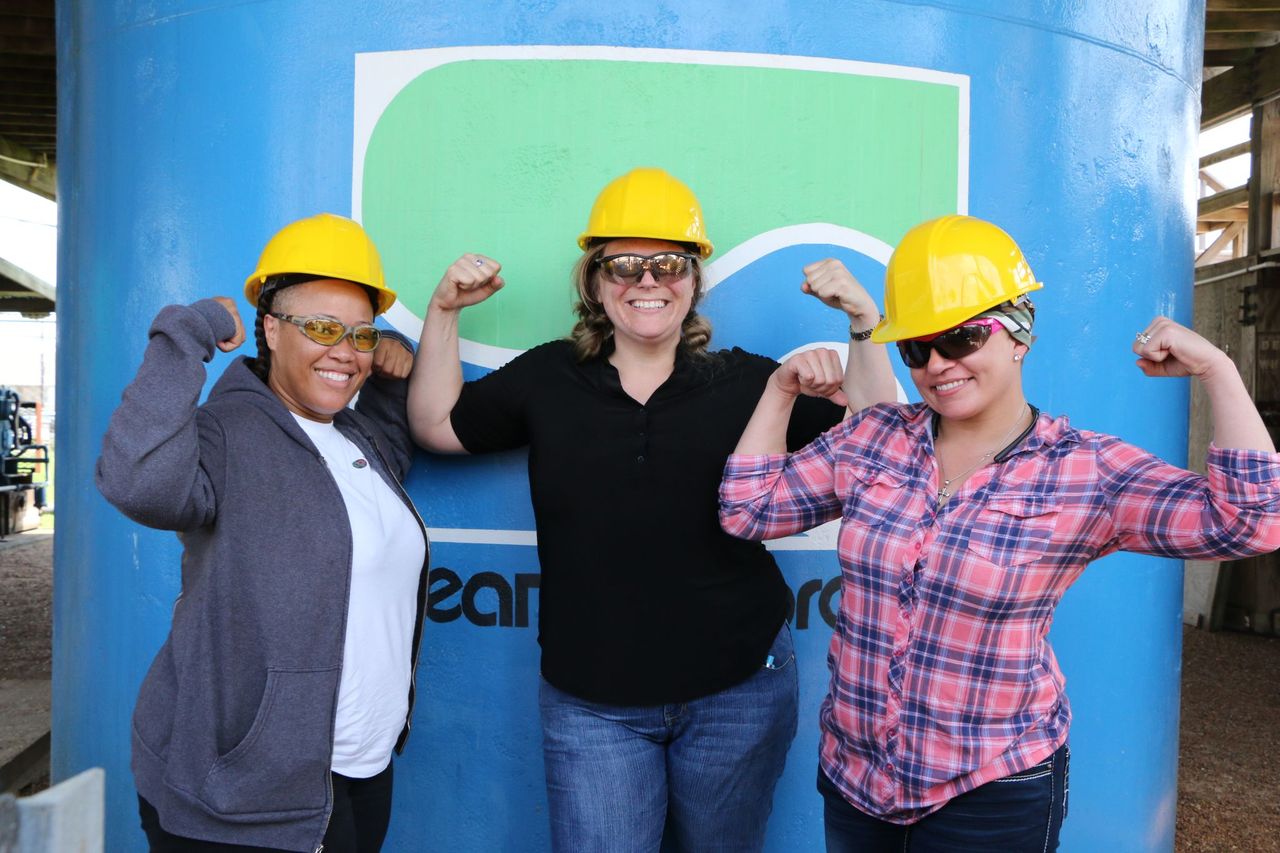
More than 15,000 alumni work across the diving industry, and many graduates find themselves hired by, or working alongside, other Ocean Corp alumni. The network is a job-finding asset, not a mailing list.
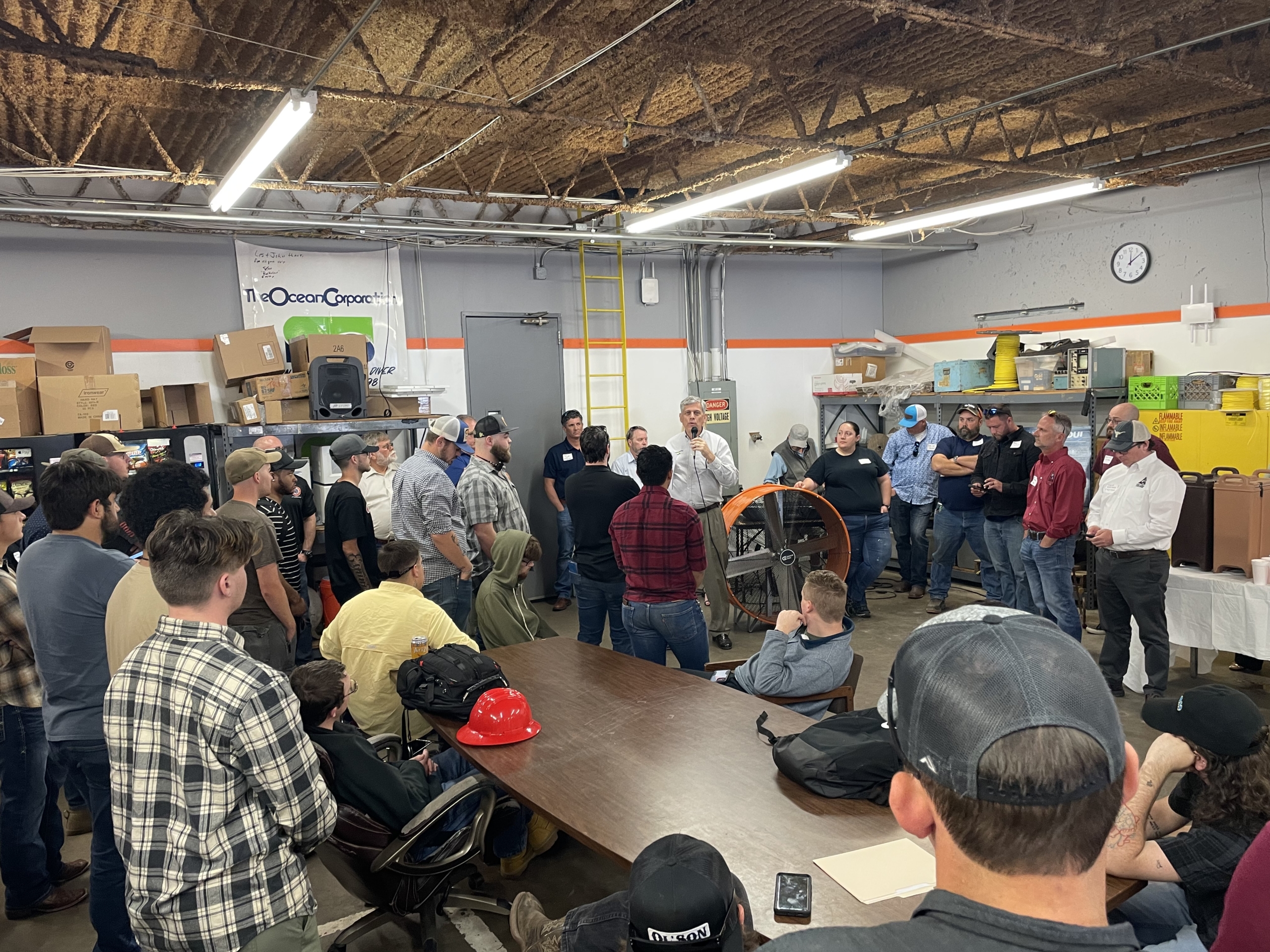
Recruitment events, employer relationships, and an advisory board put students in front of the diving contractors who hire. Those connections shorten the distance between graduation and a paycheck.
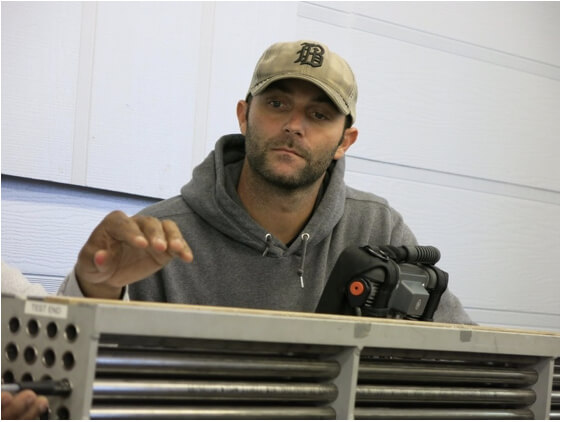
Georgetown University ranks The Ocean Corporation 9th nationwide for 10-year earnings net present value among more than 4,500 U.S. institutions. That is an independent measure of what graduates earn relative to what they paid.
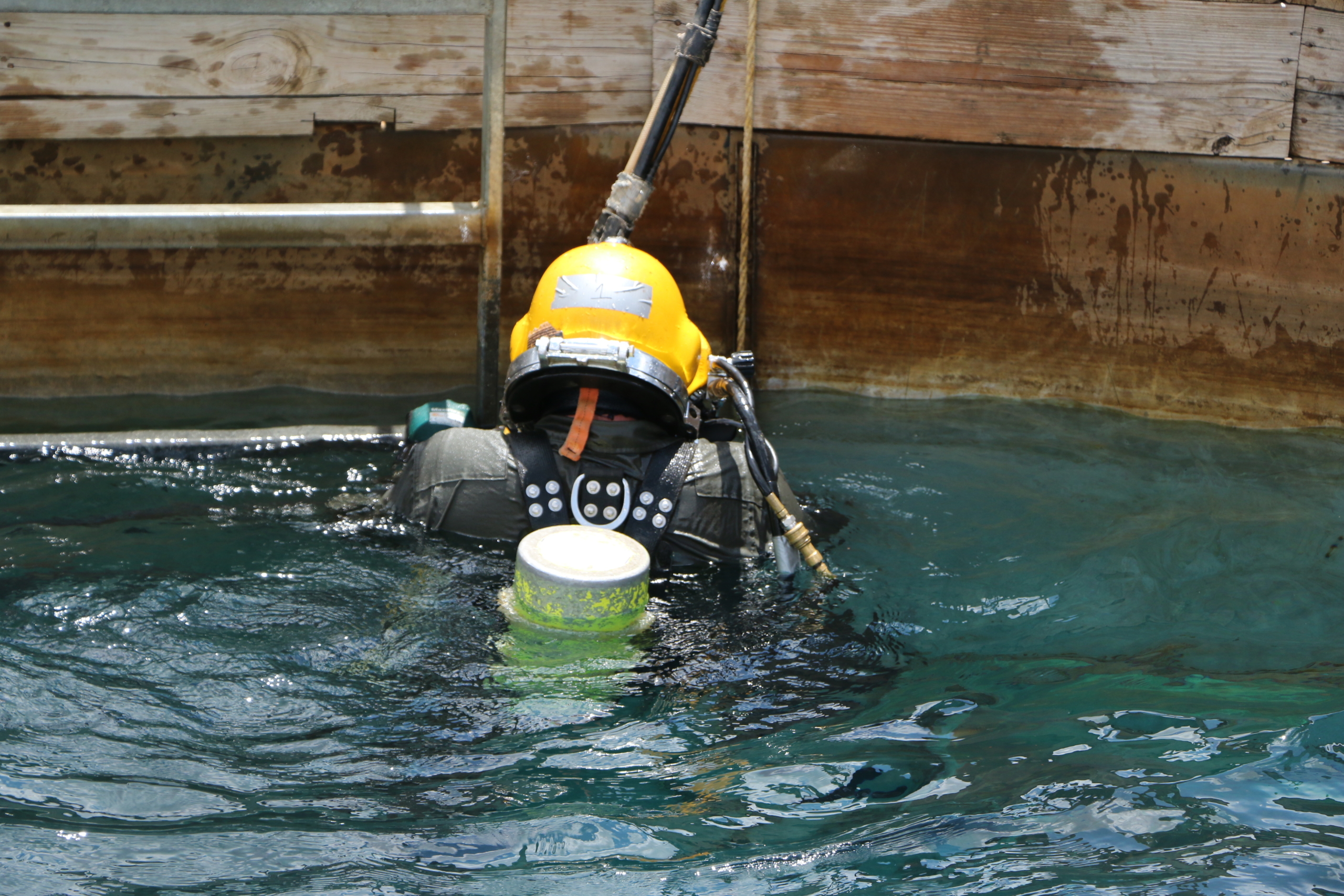
Hands-on training in our dive tanks and on real equipment means a graduate has done the work before the first job site, and arrives ready to contribute.
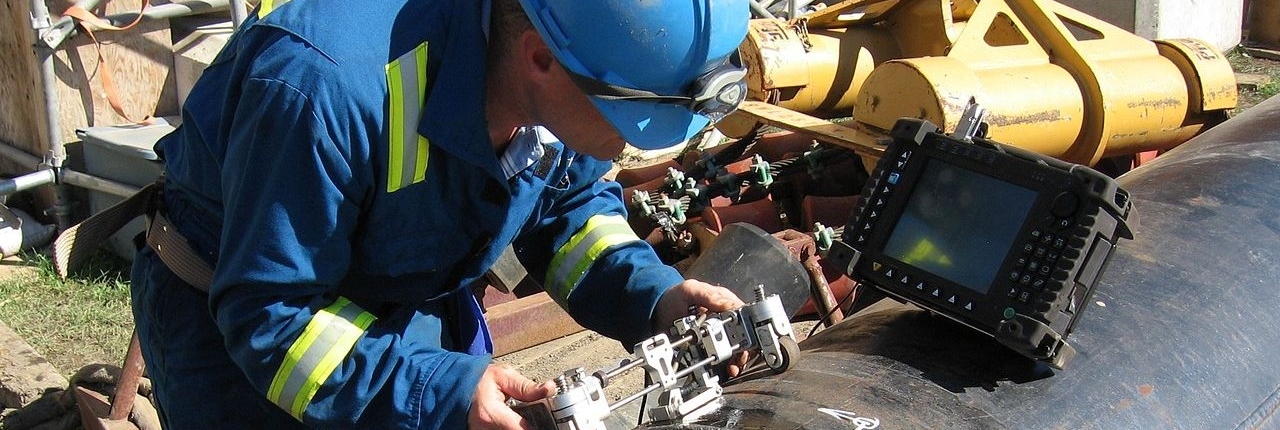
Discover available grants, scholarships, loans, and flexible payment plans tailored to support your education.
Find step-by-step guidance on the application process, tools for estimating aid, and resources to answer any funding-related queries.
What are commercial diving jobs?
Commercial diving jobs are paid underwater work performed by certified divers, including offshore platform work, inland bridge and infrastructure work, underwater welding, marine construction, salvage, and inspection. A commercial diver uses surface-supplied diving equipment and hand tools to build, repair, inspect, and recover underwater structures, which is different from recreational scuba diving.
How does The Ocean Corporation help graduates find commercial diving jobs?
Career development training is built into the 30-week program and covers job search strategy, resume writing, and interview technique. Graduates also receive lifetime career placement support and access to a network of more than 15,000 alumni who work across the diving industry.
What does a commercial diver earn?
The Bureau of Labor Statistics reports a median annual wage of $72,990 and a mean of $88,320 for commercial divers as of May 2025, with the top 10 percent earning more than $157,790. The BLS category includes scuba divers at aquariums and amusement parks, which typically don’t require commercial certification. Pay varies widely by sector and specialty; offshore, saturation, and underwater welding work sit at the higher end of the range, and inland inspection and construction work at the steadier, more predictable end.
Do I need experience to start?
No. The Commercial Diver Certification program takes a student from no diving background to a working, certified commercial diver, with career development training included. No prior diving experience is required to enroll.
What kinds of divers can I become?
Graduates pursue work as offshore divers, inland divers, saturation divers, underwater welders, marine construction divers, salvage divers, public safety divers, and scientific or research divers. The certification is the starting point for all of these paths.
How long is the training, and when can I start?
Career development is part of the 30-week Commercial Diver Certification program. Classes meet five hours a day, Monday through Friday, and new classes begin every five weeks.
Is commercial diving a stable career?
Demand is tied to infrastructure and energy that need ongoing work, and BLS projects 4.8 percent job growth for commercial divers from 2025 to 2035, faster than the 3.5 percent projected for all occupations. Inland inspection and construction run on recurring schedules, while salvage and emergency work add project-based opportunities.
Where do commercial divers work?
Commercial divers work in offshore oil and gas, inland infrastructure, marine construction, salvage, government and public safety, and scientific research. The Gulf Coast is one of the strongest regional markets, and inland work happens nationwide.
How does career placement support work?
Lifetime career placement is included for every graduate. The career services team helps with the job search, resume, and interview preparation, connects graduates with employers across the diving industry, and stays available throughout a graduate’s career.